


Why ACL Injuries Are on the Rise
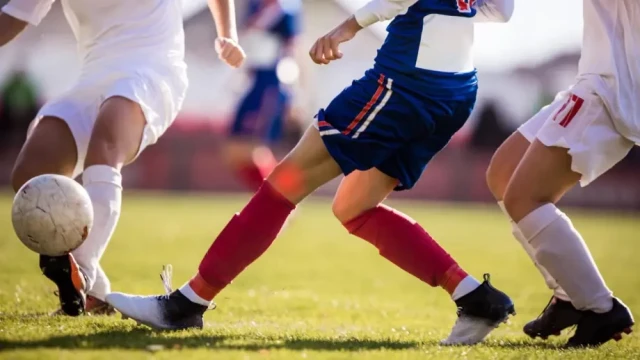
ACL injuries among youth athletes have nearly doubled over the past 20 years, with female athletes aged 12 to 18 facing a 1.5 times higher risk than their male peers. Despite lower participation rates in high-contact sports, young female athletes are disproportionately affected by these injuries due to a combination of physiological, societal, and cultural factors.OrthoCarolina’s experts are committed to exploring these trends and educating communities on risk-reduction strategies.
Understanding the ACL in Athletes
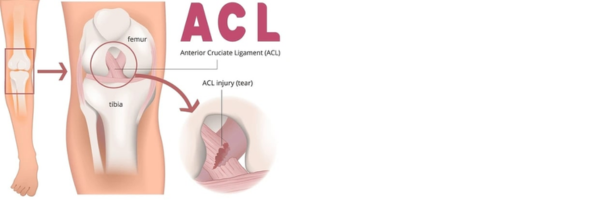
The anterior cruciate ligament (ACL) is a key ligament that helps stabilize the knee joint. It connects the femur (thigh bone) to the tibia (shin bone) and plays a crucial role in controlling knee movement, especially during activities that involve sudden stops, jumps, or changes in direction.
Anatomical Differences in Females
- Q-Angle: Females typically have a wider pelvis, which increases the Q-angle (the angle formed by the quadriceps muscle and the patellar tendon). A larger Q-angle can place more stress on the ACL during certain movements.
- Ligament Laxity: Hormonal differences, particularly higher levels of estrogen, can lead to increased ligament laxity in females. This means the ligaments may be more flexible, potentially increasing the risk of injury.
- Muscle Strength and Activation: Females often have differences in muscle strength and activation patterns compared to males. For instance, they may rely more on the quadriceps than the hamstrings during certain movements, which can affect knee stability.
- Intercondylar Notch: The intercondylar notch, the groove in the femur through which the ACL passes, is often narrower in females. A narrower notch can increase the likelihood of ACL impingement and injury.

Two major factors contributing to the rise in ACL injuries among female athletes are early sports specialization and lack of strength and plyometric training.
Early Sports Specialization: A Double-Edged Sword
What is Early Sports Specialization?
Early sports specialization refers to youth athletes focusing on a single sport from a young age, often as early as 7 or 8 years old. The goal? Gaining a competitive edge and securing collegiate scholarships.
The Risks of Specialization
This approach, while well-intentioned, may do more harm than good. Athletes who play one sport year-round often experience repetitive stress on the same muscle groups and joints, increasing their risk for overuse injuries like ACL tears.
- Increased Fatigue: High volumes of repetitive play without adequate rest contribute to muscular fatigue, which can impair joint stability and increase the risk of ligament injuries.
- Limited Skill Development: Children specializing in one sport miss the opportunity to develop diverse movement patterns and overall athleticism, which can reduce injury risk.

The Case for Multi-Sport Participation
Encouraging youth athletes to participate in multiple sports promotes well-rounded skill development, enhances movement adaptability, and reduces injury risk. A varied approach also builds a foundation of athleticism, allowing young athletes to perform more efficiently and confidently in their chosen sport later in life.
Addressing Strength and Plyometric Gaps in Training
Breaking Down Misconceptions
Historically, resistance training has been stigmatized in youth sports. Outdated myths—like fears of "bulking up" or the belief that strength training is unsafe for pre-pubescent children—have hindered proper conditioning. However, current research supports the benefits of age-appropriate strength and agility training.
Why Strength Matters
Developing lower body and core strength helps athletes handle the physical demands of their sport while reducing the riskof injury. Strengthening key muscle groups, like the quadriceps and hamstrings, enhances joint stability and helps protect ligaments like the ACL from strain.
The Role of Plyometric Training
Incorporating plyometric exercises—such as jump training—into training programs improves an athlete’s ability to perform quick, powerful movements while maintaining control. This reduces the likelihood of improper landing mechanics, a common cause of ACL injuries.

The Path to Prevention: A Holistic Approach
While no strategy can entirely eliminate ACL injuries, a combination of variable play, structured rest, and tailored strength programs offers promising results. Encouraging young athletes to explore different sports, balance competition with recovery, and integrate well-rounded training can significantly reduce injury risks.
Moving Forward with Confidence
At OrthoCarolina, we’re dedicated to helping athletes of all ages achieve their goals while minimizing the risk of injuries. By promoting awareness and offering expert guidance, we aim to empower young athletes, parents, and coaches to make informed decisions about training and long-term health.
A special thank you to Ethan Pierson, PT, DPT for providing this article. For more information on ACL injury prevention or to schedule a consultation, visit OrthoCarolina.com.
This information is provided as an educational service and is not intended to serve as medical advice. If you are seeking specific orthopedic advice or assistance, please consult with your OrthoCarolina physician or locate one in your area through OrthoCarolina’s website at www.OrthoCarolina.com.
Sources:
- Silvers-Granelli H. Why Female Athletes Injure Their ACL's More Frequently? What Can We Do to Mitigate Their Risk? Int J Sports Phys Ther. 2021.
- Brenner JS. Sports Specialization and Intensive Training in Young Athletes. Pediatrics. 2016.
- Tranaeus U, Martin S, Ivarsson A. Psychosocial Risk Factors for Overuse Injuries in Competitive Athletes. Sports Med. 2021.
- Meisel PL, et al. Age of Early Specialization, Competitive Volume, Injury, and Sleep Habits in Youth Sport. Sports Health. 2022.
- Jayanthi N, et al. Sports Specialization in Young Athletes: Evidence-Based Recommendations. Sports Health. 2013.
- Youth Athletes and the Benefits of Playing Multiple Sports. Raymer Strength. 2019.
- Hewett TE. Prevention of Noncontact ACL Injuries in Women. Current Sports Medicine Reports. 2009.
- Robinson JD, et al. Adolescent Athletes Demonstrate Inferior Objective Profiles at the Time of Return to Sport After ACLR Compared With Healthy Controls. Orthopaedic Journal of Sports Medicine. 2022.
Back