


Signs of infection after hip or knee replacement surgery include increasing pain, redness, swelling, warmth around the incision, drainage, fever, chills, and feeling unusually tired or unwell. While some swelling and discomfort are normal during recovery, symptoms that worsen or don't improve could signal an infection and should be evaluated promptly.
Hip and knee replacement surgeries have helped millions of people reduce pain and regain mobility. Although these procedures are highly successful, infection remains one of the most serious complications after surgery. Recognizing the warning signs early can help prevent more severe issues, protect your new joint, and support a smoother recovery. Understanding what is normal after surgery and what may indicate an infection can give you greater confidence as you heal.
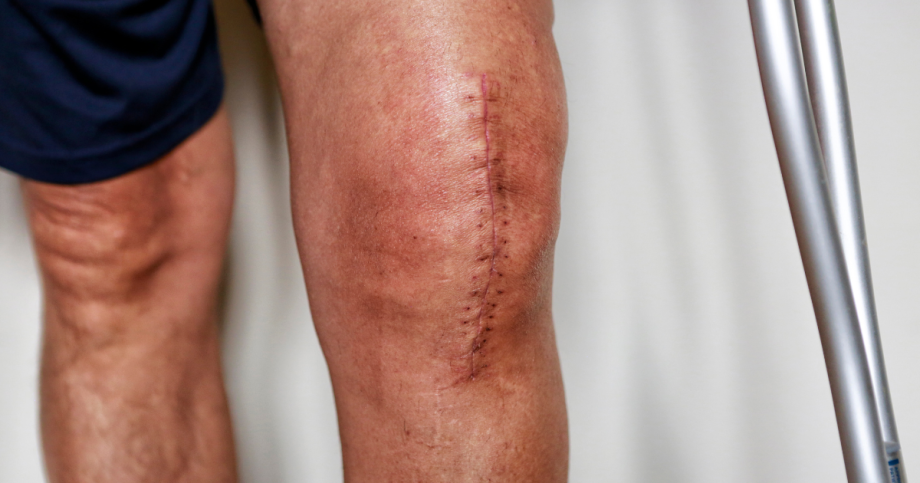
Understanding Infection After Joint Replacement
Infections after joint replacement surgeries, such as hip or knee replacements, occur when bacteria invade the surgical site. While these infections are relatively uncommon, they can significantly impact recovery.
The risk of infection is present whenever the skin is cut, even in a controlled environment. Infections can develop days, weeks, or even years after the initial surgery. Understanding how infections occur helps in taking steps to prevent them.
Infections can be superficial, affecting only the skin or surgical incision. More serious cases involve deeper tissues, reaching the joint itself. When this happens, prompt medical attention is essential to prevent damage.
Here are key aspects of post-surgical infections:
- Types: Superficial or deep
- Timing: Immediate, early, or late onset
- Treatment: Varies from antibiotics to surgical interventions
Recognizing these aspects can help you stay vigilant throughout your recovery process. Knowing the potential pathways of infection aids in early detection and ensures a proactive approach.
Why Early Detection Matters
Recognizing an infection early after hip or knee replacement is crucial. Early detection ensures that treatment can begin promptly. This can prevent the infection from spreading and causing further complications.
If left untreated, infections can compromise the stability of the joint replacement. This might necessitate additional surgeries, increasing recovery time and stress. Swift intervention can minimize these risks and promote better long-term outcomes.
Patients play a vital role in monitoring for signs of infection. Keeping a close watch on changes around the surgical site can aid in quick identification. Early action often leads to more straightforward treatment and a smoother recovery.
Common Signs and Infection Symptoms to Watch For
After hip or knee replacement surgery, it's normal to experience some pain and swelling. However, there are specific signs and infection symptoms that should raise concern. Watching for these can help differentiate between normal healing and a potential issue.
One of the first signs of infection is increased redness around the surgical site. It may be accompanied by swelling that doesn't seem to subside. Both are key indicators that something may not be right.
Warmth in the area around your new joint can be another symptom. This warmth might feel more intense than typical post-surgical warmth. Coupled with other symptoms, it can signal infection.
Pay attention to persistent pain or tenderness. While some discomfort is expected, an increase in pain should be noted. When pain intensifies or doesn't improve, it could be a warning sign.
Fever and chills can often accompany an infection. They are part of the body’s immune response. Even a low-grade fever can be an alert to seek medical advice.
Another tell-tale sign is drainage from the incision site. If you notice pus or unusual fluid, it's important to get it checked promptly. This type of drainage is often a clear indication of an underlying problem.
In some cases, you may experience increased stiffness or difficulty moving the joint. This can be a symptom of infection impacting the function of the joint. Take note if mobility issues develop or worsen.
Here is a summary list of symptoms:
- Increased redness and swelling
- Warmth around the surgical site
- Persistent or worsening pain
Additional symptoms include:
- Fever or chills
- Drainage of pus or unusual fluid
- Increased stiffness or mobility issues
Being alert to these signs can lead to timely intervention. Don't hesitate to contact your healthcare provider if you observe any concerning symptoms. Taking action can make a significant difference in your recovery.
Distinguishing Normal Recovery from Signs of Infection
Recovering from hip or knee replacement involves some expected discomfort. It’s essential to know what’s typical versus what’s not. Normal recovery usually includes mild swelling, bruising, and gradual improvement in pain.
Despite varying recovery times, most post-surgery symptoms should ease over days. If they worsen instead, it might indicate an issue. Recognizing the difference between standard healing and infection is crucial.
Infections often present with persistent or increasing symptoms. If redness or warmth grows over time, be vigilant. A clear distinction is when expected recovery signs do not match the severity or duration typical of infections.
Look for these distinctions:
- Normal: Gradual improvement in symptoms
- Infection: Escalating symptoms
- Normal: Mild, stabilizing swelling
- Infection: Increasing redness and warmth
Understand your body’s healing signals. Discuss ongoing concerns with your healthcare provider to stay on track with recovery.
Risk Factors for Infection After Hip or Knee Replacement
Understanding your risk factors helps in planning for surgery and recovery. Not everyone shares the same likelihood of developing an infection. Some factors can increase this risk.
Certain health conditions make infections more likely. Diabetes or a compromised immune system can contribute. Likewise, lifestyle factors such as smoking and obesity also play a role.
Here are common risk factors:
- Diabetes
- Obesity
- Smoking
- Compromised immune system
Discuss these risks with your healthcare provider. Knowing them lets you take proactive steps in reducing infection chances. By addressing these factors, you enhance the overall success of your joint replacement surgery.
What to Do If You Notice Signs of Infection
Noticing signs of infection can be worrying, but prompt action is crucial. Early intervention often prevents complications and improves outcomes. The first step is to contact your healthcare provider immediately.
Discuss your symptoms clearly and provide any relevant history. Your healthcare provider may recommend steps you can start at home, such as monitoring your temperature. Being prepared and proactive can make a difference.
Here's what you should do:
- Contact your healthcare provider without delay.
- Describe your symptoms in detail.
- Follow any interim care instructions provided.
Timely communication is key. By staying alert and informed, you can help ensure effective treatment and a smoother recovery journey.
How Infections Are Diagnosed
Diagnosing an infection after joint replacement involves several steps. A thorough examination will be carried out by your healthcare provider. They will inquire about your symptoms and assess the surgical site visually.
Diagnostic tests can provide crucial information. These tests typically include blood tests and imaging. Blood tests can show markers of infection, like elevated white blood cell counts.
Additionally, imaging techniques may be used. These help detect any abnormal fluid collections or changes around the joint. In some cases, a culture might be taken from the joint fluid.
These procedures help your healthcare provider confirm an infection and guide appropriate treatment.
Treatment Options for Post-Surgical Infections
Once an infection is diagnosed, timely treatment is essential. The approach to treatment depends on the severity and type of infection. Early intervention increases the chance of successful outcomes.
Antibiotics are often the first line of defense against infections. They can effectively target bacteria and may be given orally or through an IV. The duration of antibiotic treatment varies but is often several weeks.
In more severe cases, surgical intervention may be necessary. This could involve cleaning the infected area or even revising the joint replacement. A multidisciplinary team is usually involved in these decisions to provide comprehensive care.
Prompt treatment is crucial to prevent further complications and preserve joint function. Regular communication with your healthcare provider ensures the best treatment plan is followed.
Preventing Infection: Steps Before and After Surgery
Preventing infection starts even before surgery. Taking proactive steps can significantly reduce the risk of complications. Understanding the importance of this phase prepares patients for successful recovery.
Pre-surgical measures include:
- Discussing any current infections with your surgeon
- Stopping smoking well in advance
- Managing chronic conditions like diabetes
It's crucial to maintain good hygiene and follow all given instructions. These steps support an infection-free post-surgical environment. Patients should feel empowered by taking control during this critical time.
Post-surgery prevention focuses on careful wound care. Keeping the surgical site clean and dry is essential for healing. Patients should also be cautious about engaging in activities too soon.
Some after-surgery steps include:
- Following wound care instructions carefully
- Avoiding crowded places to reduce exposure
- Monitoring the surgical site daily
Effective prevention requires commitment and vigilance throughout the recovery journey. These efforts ensure better health outcomes and a smoother recovery process.
The Role of Follow-Up Care and Communication
Follow-up care is a vital part of recovery after joint replacement surgery. Regular appointments help detect any issues early, ensuring timely intervention. These visits allow healthcare providers to monitor progress and address concerns.
Open communication with your medical team is essential. Don't hesitate to report unusual symptoms or ask questions. Maintaining an active dialogue helps foster a successful recovery and long-term joint health.
Key Takeaways: Know the Signs and Act Early
Signs of infection after hip or knee replacement surgery should never be ignored. Increasing pain, redness, swelling, drainage, fever, or chills may indicate a problem that requires medical attention. Early treatment can help prevent complications and protect your new joint.
Pay close attention to any changes in your symptoms, follow your surgeon's recovery instructions, and contact your healthcare provider if something doesn't feel right. When it comes to infection after joint replacement surgery, acting quickly is one of the most important steps you can take toward a safe and successful recovery.
If you're concerned about signs of infection after hip or knee replacement surgery, trust your instincts and seek care as soon as possible. The orthopedic experts at OrthoCarolina are here to help. Visit one of our convenient walk-in orthopedic urgent care locations for an evaluation and expert treatment so you can get back on the path to recovery as quickly and safely as possible.
Frequently Asked Questions
How do I know if my knee replacement is infected?
Common signs of a knee replacement infection include increasing pain, redness, swelling, warmth around the incision, drainage, fever, or chills. If your symptoms worsen instead of improving, contact your healthcare provider promptly.
Can an infection occur weeks or months after hip replacement surgery?
Yes. While many infections develop shortly after surgery, some can occur weeks, months, or even years later. New pain, swelling, or redness around your joint should always be evaluated.
When should I seek medical care for a possible joint replacement infection?
Seek medical attention right away if you develop a fever, drainage from your incision, severe or increasing pain, significant swelling, or redness that spreads around the surgical site. Early treatment can help prevent serious complications.
Back