


Swelling can be alarming, especially when it appears suddenly after an injury or seems to linger longer than expected. While some swelling is a normal and necessary part of the healing process, other types can signal that something more serious is going on.
At OrthoCarolina, we help patients every day determine what’s normal, what’s not, and when it’s time to take the next step. Understanding how swelling works, and how your body responds, can help you recover more confidently and avoid unnecessary complications.
Understanding Swelling: Why It Happens in the First Place
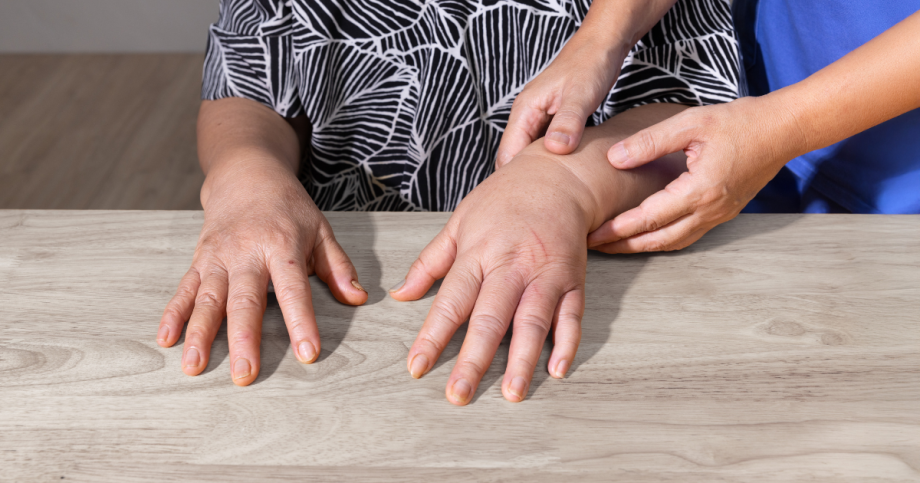
Swelling occurs when fluid builds up in tissues, often as a response to injury, inflammation, or stress on the body. Think of it as your body’s internal alarm system. When tissues are damaged, blood vessels release fluid to protect the area and kickstart healing.
This response is common after orthopedic injuries such as sprains, strains, fractures, or surgery. Swelling can also develop due to overuse, infections, inflammatory conditions, or circulatory issues.
There are two main types of swelling:
- Acute swelling, which appears quickly after an injury and typically improves with time and care
- Chronic swelling, which develops gradually or persists and may indicate an underlying condition that needs evaluation
Understanding which category your swelling falls into is key.
What’s Considered “Normal” Swelling?
Not all swelling is a sign that something is wrong. In many cases, mild to moderate swelling is a normal and expected part of the body’s healing process. Swelling that appears shortly after an injury is often your body’s way of protecting the area and beginning repair. When swelling stays localized to the injured area and gradually improves over the course of several days, it is typically a positive sign that healing is underway. As inflammation decreases and tissues recover, the swelling should slowly subside, especially with rest, ice, compression, and elevation.
This type of swelling may feel tight or slightly uncomfortable at first, but it should not continue to worsen or interfere significantly with movement over time. Paying attention to how swelling changes from day to day can help you distinguish between a normal recovery response and something that may require medical attention.
Common Symptoms That May Accompany Swelling
Swelling often doesn’t occur in isolation, it can come with a range of other noticeable changes. In many cases, early swelling may be accompanied by warmth or redness around the affected area, tight or shiny skin, stiffness, a reduced range of motion, or mild tenderness and aching. These reactions are typically part of the body’s natural response to injury or inflammation and can be considered normal in the early stages of healing.
However, there are certain warning signs that should prompt a closer look by a healthcare professional. If swelling is accompanied by increasing pain, a fever, changes in skin color, numbness or tingling, or any signs of infection, such as spreading redness or drainage, it could indicate a more serious issue that requires prompt medical attention.
Paying attention to these symptoms and responding early can make a significant difference in recovery and help prevent complications, ensuring that swelling is managed safely and effectively.
What Causes Swelling? From Minor Injuries to Medical Conditions
Swelling can result from a wide range of causes, including:
- Injuries such as sprains, strains, or fractures
- Overuse from repetitive motion or athletic activity
- Inflammatory conditions like arthritis or tendonitis
- Infections
- Circulatory or lymphatic issues
External factors such as heat, prolonged standing, dehydration, and high sodium intake can also worsen swelling. Identifying the root cause allows for more effective treatment and faster relief.
How to Assess Swelling at Home
Keeping track of swelling can help you determine whether it is improving on its own or if it requires professional evaluation. One way to assess swelling is by comparing the affected area to the opposite side of the body to spot noticeable differences in size or shape. Measuring the circumference of a limb with a soft tape measure can also provide a more precise way to track changes over time.
It is important to pay attention to changes in skin color, temperature, or tightness, as these can indicate how your body is responding to the swelling. Additionally, observing how swelling reacts to rest, movement, or activity can provide insight into its severity and whether it is resolving naturally.
If swelling does not improve over time or begins to limit your mobility, it is important to consult an orthopedic specialist to ensure appropriate care and prevent further complications.
Effective Ways to Reduce Swelling
Treatment depends on the cause, but many orthopedic injuries respond well to early intervention.
Common approaches include:
- Rest to avoid further stress
- Ice to reduce inflammation
- Compression to support tissues
- Elevation to help fluid drain naturally
In some cases, medications, bracing, injections, or further evaluation may be recommended. An orthopedic expert can help tailor a plan that supports healing while keeping you active safely.
When Should You See a Specialist?
You should seek medical care if swelling:
- Appears suddenly without injury
- Is severe or worsening
- Comes with fever, chest pain, or shortness of breath
- Persists despite home care
- Limits movement or daily function
Early evaluation can help prevent long-term issues and get you back to what you love sooner.
Get Expert Answers and Peace of Mind
Swelling is your body’s way of communicating. Knowing when it’s normal, and when it’s not, can protect your health and speed up recovery.
If you’re dealing with persistent swelling, pain, or limited movement, OrthoCarolina’s orthopedic specialists are here to help. With expert care, advanced diagnostics, and a patient-first approach, we’ll help you move forward with confidence.
Schedule an appointment with OrthoCarolina today and take the guesswork out of your recovery.
Frequently Asked Questions
How long should swelling last after an injury?
Mild swelling often improves within a few days. Moderate swelling may last a few weeks, especially after more significant injuries. If swelling isn’t improving over time, it should be evaluated.
Is swelling always a sign of injury?
While swelling commonly follows injury, it can also be caused by inflammation, circulation issues, infections, or underlying medical conditions.
Can I still be active if I have swelling?
That depends on the cause. Some activity may be safe, but pushing through swelling can worsen the issue. An orthopedic provider can help determine safe movement and recovery timelines.
Should I use ice or heat for swelling?
Ice is typically recommended for new or acute swelling, especially after an injury, as it helps reduce inflammation and numb pain. Heat is better suited for muscle stiffness or chronic tightness once swelling has gone down, as it helps improve blood flow. If swelling is present, it’s generally best to avoid heat until evaluated by a provider.
Back