
Orthopedic Conditions / Musculoskeletal Health

Don't let its name fool you. Tennis elbow is a common tendon injury infamous for chronic pain and weakness focused on the outside of the arm, where the elbow and forearm meet.

Pain, burning, numbness or tingling in your hands? You may be suffering from a common condition called Carpal Tunnel Syndrome.
Read More
In this edition of our Orthopedic Anatomy Series: Exploring Your Body from the Inside Out, we look at the causes and treatments of common hand, wrist and elbow ailments that can cause this discomfort.
Our panel of five OrthoCarolina hand, wrist, & elbow specialists partnered with the education experts at Experience Anatomy to explore the ins and outs of hand/wrist/elbow pain, from when to consult an orthopedic specialist to pain injections to surgery recovery.
Watch Video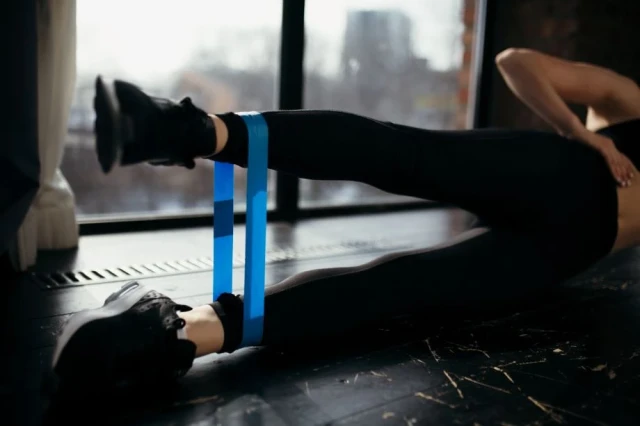
Although IT band injuries come on quickly, they typically result from an existing muscle imbalance as opposed to an acute injury.
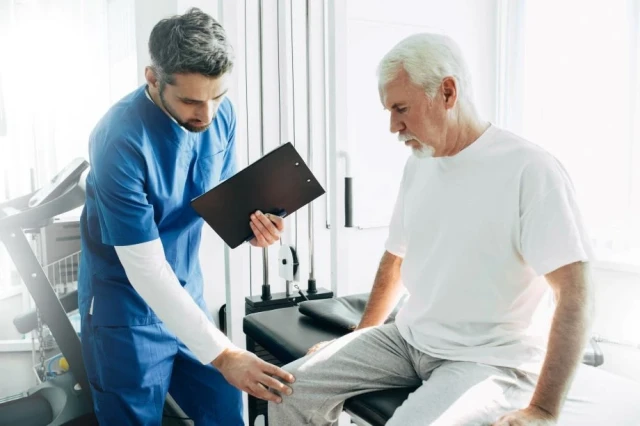
While the knee joint is the most typical source of knee pain, the hip joint is a common culprit and the next most likely cause of pain.
Read More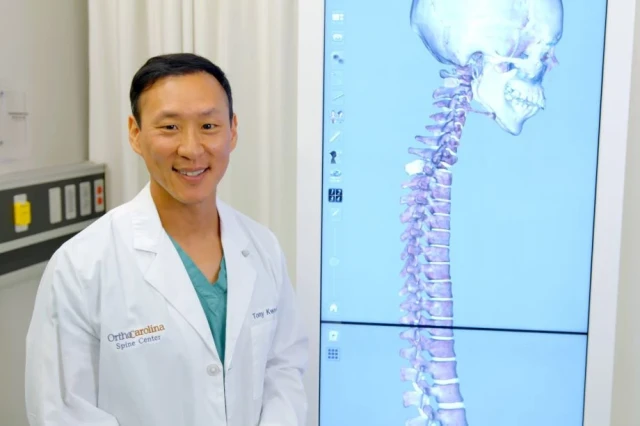
In the spine edition of our Orthopedic Anatomy Series: Exploring Your Body from the Inside Out, we look at the causes and treatments of back pain and common spine ailments.
Read More
It's never too late to start making the health of your heart a priority. Choose now to develop habits that will keep your heart beating strong for a long time to come.

The sciatic nerve is the largest nerve in the human body, so it’s not surprising that when it flares up, it feels intense.
Read More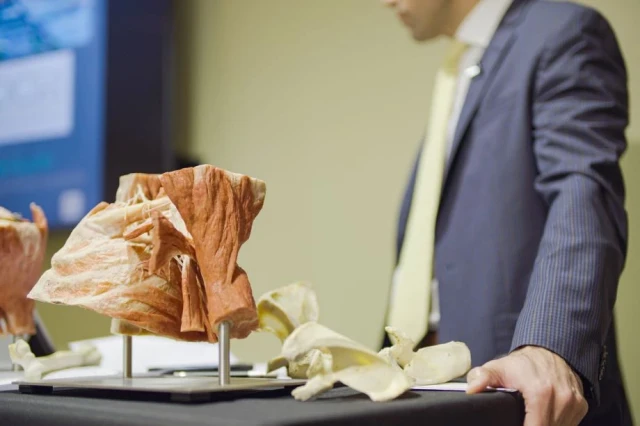
In the inaugural Orthopedic Anatomy Series event, OrthoCarolina shoulder surgeons and Experience Anatomy educators dive into the anatomy of common shoulder injuries and treatments.
Read More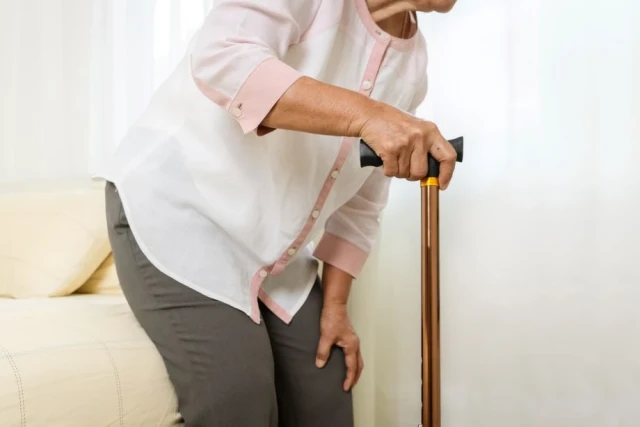
The bottom line is this – if your quality of life is compromised by pain in your hip or knee, it’s time to discuss the pain with your doctor.
Read More
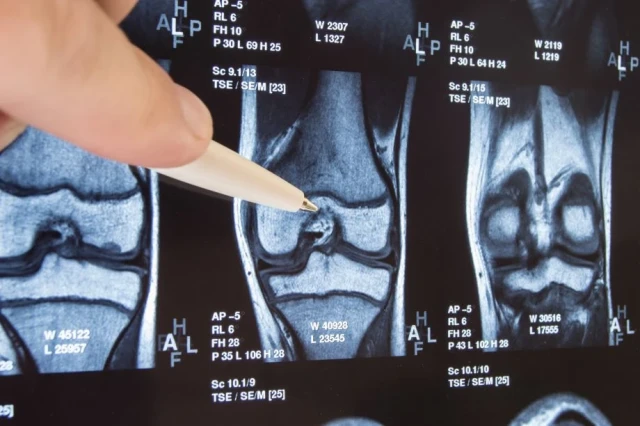
Healthy articular (joint) cartilage cushions our joints and ensures they can bend and straighten fluidly and without pain. What causes cartilage damage and how can you prevent it from happening?
Read More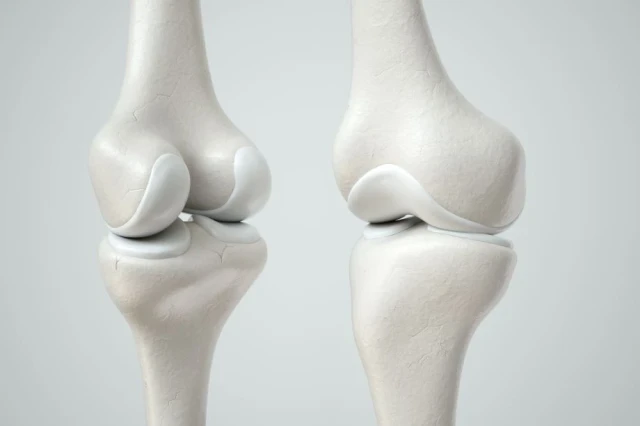
We often hear about the importance of cartilage to protect our joints. But what exactly is cartilage, and how does it keep our joints healthy?
Read More
We partnered with Experience Anatomy, a premier anatomy education provider specializing in training and education with real, preserved human specimens, to bring you another installment of our Orthopedic Anatomy Series: Exploring Your Body from the Inside Out – Hip & Knee edition.
Read More
Build strength with a 10-minute workout for all ages and discover 5 simple ways to manage stress. Here's week 3 of our Health at Home Video Series in partnership with SweatNet Charlotte.
Read More
Relax with a 10-minute meditation and power through the afternoon with a 10-minute mat pilates workout. Here's week 2 of our Health at Home Video Series in partnership with SweatNet Charlotte.
Read More
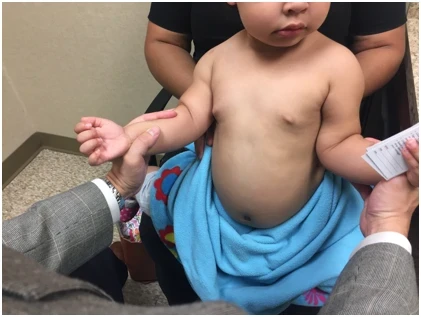
The brachial plexus is a network of nerves that arise from the spinal cord to and lead to the peripheral nerves that give movement and feeling to the shoulder, arm and hand. Check out our clinic overview.
Read More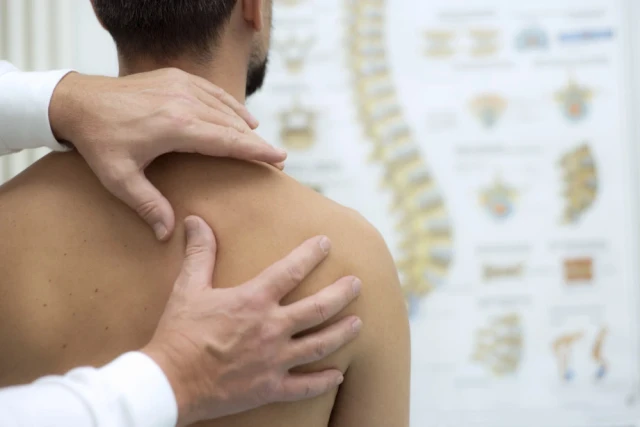
Adhesive capsulitis, more commonly known as Frozen Shoulder, is frequently treated in the physical therapy setting due to the pain and loss of upper extremity function that can occur as a result of the development of the pathology.
Read More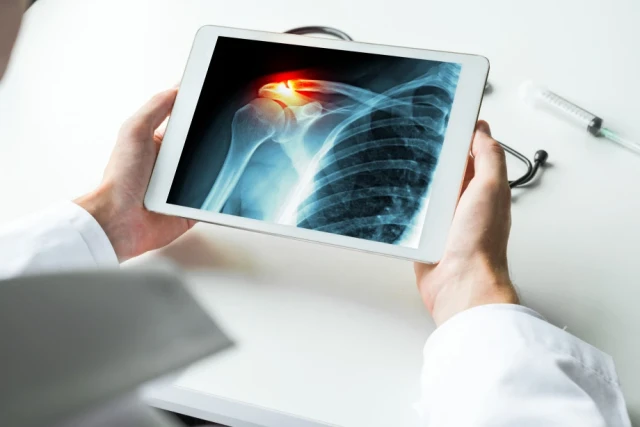
Just above your rotator cuff, you have a fluid-filled sac called a bursa. The job of the bursa is to provide a cushion between tendons and bones. Bursa can become inflamed which can cause pain.
Read More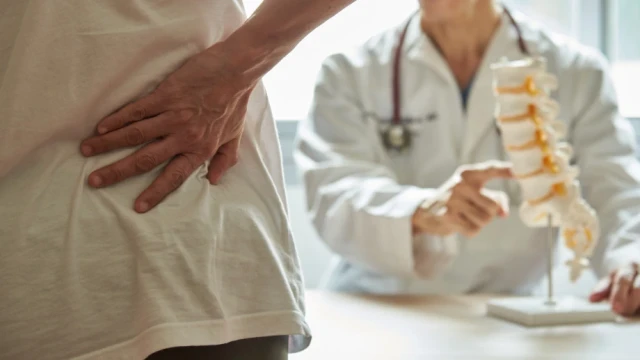
The sacroiliac (SI) joint is located in the pelvis and links the iliac bones (pelvis) to the sacrum (lowest part of the spine above the tailbone). It is an essential component for shock absorption to prevent impact force from reaching the spine.
Read More
We know fruits and vegetables are good for us, but to support healthy weight we need to know exactly what makes up a serving.
Read More
As we celebrate National Nurse Practitioners Week, here are four things to know about NPs.
Read More
Physical therapy is a key component of the healing process for many people. Though being patient through the therapy process and being diligent about sticking to a therapy plan may at times feel challenging, it pays off in the long run when it comes to recovery.
Read More