


Hip and knee replacement surgeries are among the most common orthopedic procedures performed today, offering patients relief from pain, improved mobility, and a higher quality of life. While these surgeries are generally safe and highly successful, it’s important to understand that all surgeries carry some risk, including hip and knee replacements.
Dr. Brian Curtin at OrthoCarolina Hip and Knee Center discusses the key risks patients should be aware of, what can be done to minimize them, and how most patients recover successfully without complications.
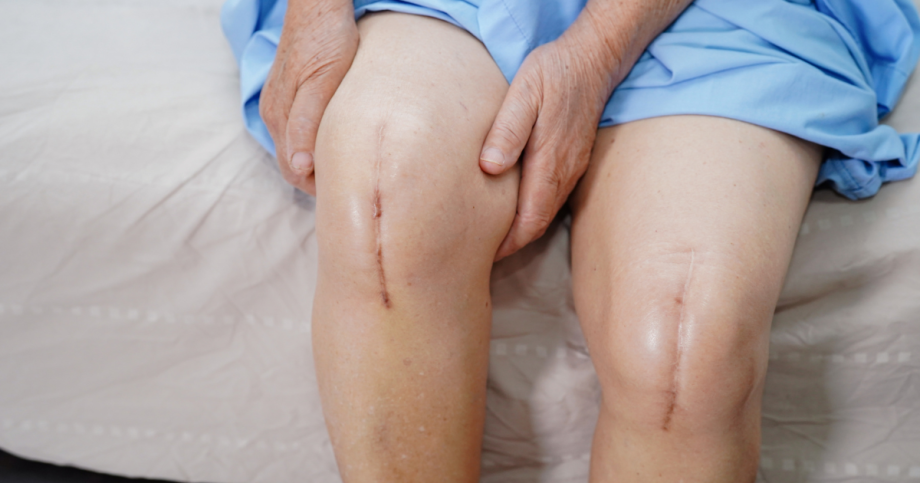
The Most Serious Risk: Infection
The risk that surgeons pay the closest attention to is infection. While infections after hip or knee replacement are relatively rare, they can have serious consequences.
An infection may require:
- Additional surgery to remove or clean the implant
- IV antibiotics for an extended period
- Longer recovery time and potentially worse long-term outcomes
Because of this, orthopedic teams take numerous precautions before, during, and after surgery to minimize infection risk. Patients are also encouraged to follow all post-operative care instructions, including wound care and hygiene, to reduce the chance of infection.
Hear directly from OrthoCarolina’s Dr. Brian Curtin in the accompanying video as he walks through the key risks associated with hip and knee replacement surgery.
Blood Clots: DVT and Pulmonary Embolism
Another concern after hip and knee surgery is blood clots, specifically deep vein thrombosis (DVT) and pulmonary embolism (PE). These occur when blood clots form in the legs and, in rare cases, travel to the lungs.
To reduce this risk, surgeons commonly prescribe blood thinners after surgery. Patients may also be advised to:
- Get up and move as soon as safely possible
- Perform specific leg exercises while resting
- Wear compression devices or stockings to improve circulation
These strategies greatly reduce the risk of blood clots and are an essential part of post-operative care.
Implant-Related Risks
Modern hip and knee implants are more durable than ever, but like any mechanical device, they are not completely immune to problems. Implant failure can occur over time, though it is increasingly rare thanks to advances in materials and surgical techniques.
If an implant fails, additional surgery may be necessary to repair or replace it. However, most patients enjoy many years, often decades, of reliable function from their replacement joint.
Rare but Serious Surgical Risks
All surgeries carry very small risks, including:
- Heart attack
- Stroke
- Death
While these events are exceedingly uncommon, they are part of the informed consent process. Surgeons carefully evaluate patients’ overall health and medical history to further reduce these risks.
Hip-Specific Risks
Hip replacement surgery carries a few risks that are more specific to the procedure:
Hip Dislocation
A hip replacement can occasionally dislocate, meaning the ball comes out of the socket. This usually requires additional intervention or surgery to correct.
Leg Length Discrepancy
In some cases, one leg may end up slightly longer than the other after surgery. This is often a result of efforts to maximize hip stability. Minor discrepancies can usually be corrected with a simple shoe insert, which balances leg lengths and maintains comfort.
Knee-Specific Considerations
While Dr. Curtin focuses on general and hip-specific risks, knee replacement patients also have unique considerations:
- Proper alignment of the new knee joint
- Post-operative stiffness or limited range of motion
- Rare instances of loosening over time
Physical therapy is a crucial part of recovery to address these concerns and restore full function.
Most Patients Recover Successfully
Despite the risks outlined above, the majority of patients recover without major complications. Advances in surgical techniques, anesthesia, and post-operative care have made hip and knee replacement safer than ever.
Patients who follow their surgeon’s instructions, participate actively in physical therapy, and maintain healthy lifestyle habits typically experience:
- Reduced pain
- Improved mobility
- Long-lasting joint function
At OrthoCarolina, the goal is not only a successful surgery but also a smooth, well-managed recovery.
Tips for Reducing Risks and Supporting Recovery
Patients can take proactive steps to lower their risk and improve outcomes:
- Attend pre-operative appointments and complete any recommended testing
- Follow post-operative instructions for weight-bearing, wound care, and activity
- Engage in physical therapy as prescribed
- Maintain a healthy lifestyle, including nutrition and fitness, to support healing
- Communicate openly with your care team about medications, pain levels, and concerns
Being an informed and active participant in your care is one of the most effective ways to reduce complications.
Take the Next Step with OrthoCarolina
Hip and knee replacement surgery can dramatically improve quality of life, but understanding the risks and actively participating in your recovery is essential. OrthoCarolina’s Hip and Knee Center provides expert guidance, advanced surgical techniques, and comprehensive post-operative care to help you recover safely and successfully.
Schedule a consultation today to discuss your hip or knee replacement options and develop a personalized plan for a healthier, more active future.
Frequently Asked Questions
How common are complications after hip or knee replacement?
Serious complications are uncommon. Most patients experience a smooth recovery and enjoy long-term improvements in pain and mobility. Minor complications, like swelling or temporary stiffness, are more frequent but typically resolve with care.
How can I reduce my risk of infection after surgery?
Following wound care instructions, keeping your incision clean and dry, attending follow-up visits, and promptly reporting any signs of infection (redness, drainage, fever) are key strategies.
How long do hip and knee replacements typically last?
Most modern hip and knee replacements are designed to last 15 to 20 years or longer, thanks to improvements in implant materials and surgical techniques. Longevity depends on factors such as activity level, overall health, and following post-surgical guidelines provided by your orthopedic team.
Back