
OrthoCarolina Resources
Dive deeper into understanding orthopedic conditions, treatments, recovery expectation, general musculoskeletal health, and patient stories.




Lifestyle & Wellness

September 2nd, 2026
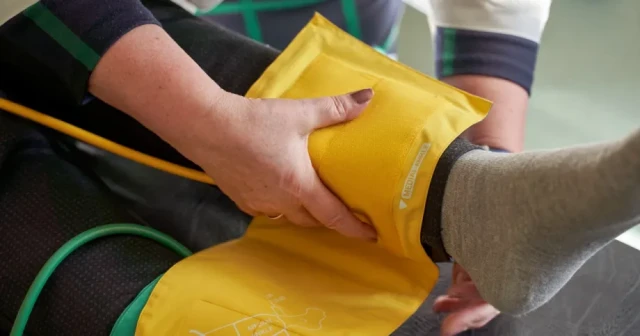
Preventing Injuries as You Age: Smart Movement Strategies for Your 50s and Beyond
Read More

August 31st, 2026
5 Common Running Injuries and How to Avoid Them Before the Charlotte Marathon
Read More





Patient Stories

July 7th, 2025
How a Former D1 Athlete Returned to the Field Again with OrthoCarolina’s Support
Read More

November 18th, 2024
Resilience Rebuilt: How Lauren Watts Overcame Multiple Knee Surgeries to Pursue Her Passions with Dr. Piasceki and Margaret Lynch
Read More
November 4th, 2024
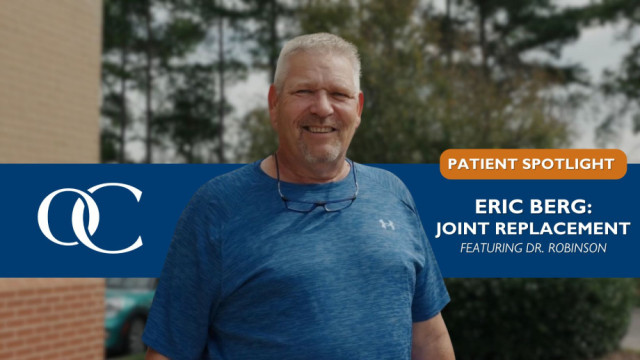
Eric Berg's Journey: From Knee Injury to Total Joint Replacement at Matthews Surgery Center with Dr. Matthew G. Robinson
Read More
October 21st, 2024
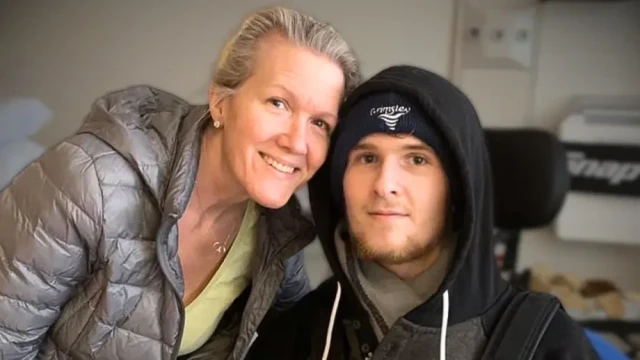
JJ Hodge: A Journey of Strength and Recovery at OrthoCarolina’s Brachial Plexus Clinic
Read More
The OrthoCarolina Advantage


April 21st, 2026
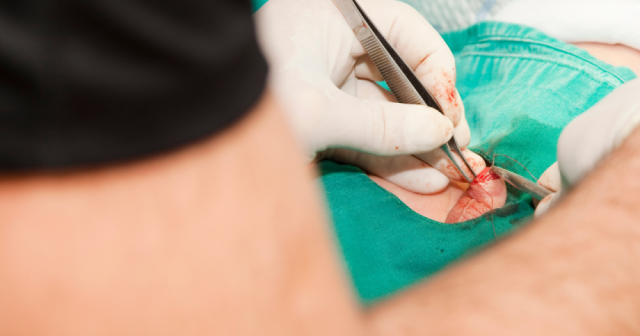
How Value-Based Care Is Transforming Orthopedic Outcomes at OrthoCarolina
Read More