



Achilles injuries are becoming increasingly common among athletes, especially younger ones. Dr. Robert Anderson, OrthoCarolina Foot & Ankle surgeon, sheds light on the reasons behind these injuries, ways to prevent them, and the latest advancements in treatment.
The Achilles Tendon: A Vital Link for Athletes
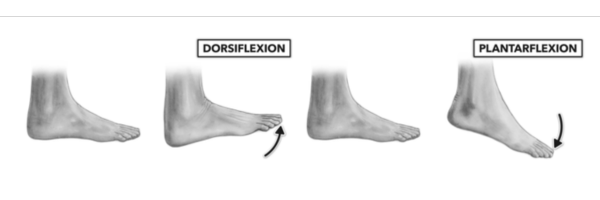
The Achilles tendon is one of the strongest tendons in the body, serving as a crucial connector between the calf muscles and the heel bone. It allows for walking, running, jumping, climbing stairs, standing on tiptoes, and plantar flexion. Think of it as the powerhouse behind an athlete's explosive start or jump.
Why Are Achilles Tendon Injuries On the Rise?
In the past, Achilles tendon injuries were thought to occur in individuals 28 to 48 years of age. However, there's been a shift towards much younger athletes recently experiencing these issues, with cases reported in high-level gymnasts as young as 15 years old.

One reason for this trend in younger athletes with Achilles injuries is the intense year-round training schedules without enough rest. Another factor is the tendency for athletes to focus on only one sport from a young age instead of multiple throughout adolescence. This can lead to repetitive stress on specific muscle groups, including the Achilles tendon. While overuse plays a significant role, genetics can also make certain individuals more prone to Achilles tendon ruptures.
Achilles Ruptures and Recovery: Evolving Techniques
An Achilles tendon rupture typically occurs as a mid-substance tear - where the tendon snaps through the center and not at the muscle or heel bone attachment. Historically, the surgical technique of a lengthy incision and longer recovery period marked the end of an athlete's professional career.

However, thanks to advancements in medical techniques over the past decade, the prognosis for athletes who have Achilles injuries has dramatically improved. Now, the surgical procedure involves the "mini-open" approach that uses a smaller incision and a specialized device to pull the torn ends together, allowing for quicker, more reliable recovery. Athletes are now returning to their sports faster and more effectively than before, with movements possible just two weeks post-surgery instead of the previously required months of immobility.
Preventing Achilles Tendon Injuries
Athletes can mitigate the risk of Achilles tendon injuries and continue their dynamic lifestyles by prioritizing injury prevention. For Achilles prevention, Dr. Anderson recommends focusing on:
- Making time for rest periods to avoid overuse
- Cross-training to ensure balanced muscle development
- Proper stretching and strengthening exercises for the calf muscles
- Calf raises

- Jump Ropes

- Farmer's Walk on Toes

- Gradual increase in training intensity to enhance your physical capabilities without overwhelming your body or causing unnecessary strain that could lead to injury
Sustaining Athletic Success and Reaching Premiere Performance
Understanding the causes and treatments of Achilles tendon injuries is crucial for athletes looking to maintain peak performance and longevity in their sports. With ongoing research and improved surgical techniques, the outlook for recovery from these once career-ending injuries continues to brighten.
Back