


Athletes push their bodies to the limit every day, and even the strongest can face setbacks from injury. How quickly and safely you recover can make all the difference, on the field, in the gym, or in competition.
Minimally invasive treatments are changing the game, helping athletes heal faster, experience less discomfort, and get back to performing at their best. But recovery isn’t just about one treatment; it’s a full approach, combining targeted care, physical therapy, nutrition, and smart rest strategies.
In this guide, we’ll break down effective recovery strategies and show how minimally invasive treatments can keep you moving, stronger, and ready for whatever comes next.
The Importance of Recovery in Athletic Performance
Recovery is an often overlooked component of athletic performance. It is essential for avoiding injuries and enhancing skills. When athletes prioritize recovery, they can maintain their physical health and performance levels.
Effective recovery allows muscles to repair and grow. This helps in improving strength and endurance. It also plays a vital role in mental resilience, preparing athletes for future challenges.
Key benefits of prioritizing recovery include:
- Enhanced muscle repair and growth
- Improved overall performance and focus
- Reduced risk of injuries
Athletes who neglect recovery may experience fatigue and burnout. This can lead to decreased motivation and poor performance outcomes. Recovery strategies can help mitigate these risks and extend athletic careers.
Emphasizing recovery ensures sustained performance and longevity in sports, enabling athletes to achieve their goals. Understanding the body's needs and investing in recovery is crucial for long-term success. It's about building a foundation for enduring excellence.
Common Sports Injuries and Their Impact on Athletes
Sports injuries can significantly derail an athlete's progress. They can affect their physical abilities and psychological well-being. Common injuries include sprains, strains, fractures, and tendonitis.
Each type of injury poses unique challenges. Sprains and strains may limit movement and cause pain. Fractures often require a longer recovery period, impacting an athlete's schedule. Tendonitis, on the other hand, can affect performance due to ongoing discomfort.
These injuries don't just impact physical capacity. They can also lead to emotional distress and frustration. Maintaining a balanced recovery plan is critical for returning to sports. Most importantly, athletes should focus on:
- Seeking proper diagnosis and treatment
- Engaging in appropriate rehabilitation exercises
- Prioritizing mental health and stress management
With a comprehensive approach, athletes can mitigate the impact of injuries. They can also ensure a steady return to their desired performance levels. Proactive care and patience are key to overcoming these challenges effectively.
Foundations of Effective Post-Workout Recovery
Effective post-workout recovery is crucial for athletes. It prepares their bodies for future challenges while preventing injuries. A comprehensive recovery strategy should balance physical, nutritional, and mental components.
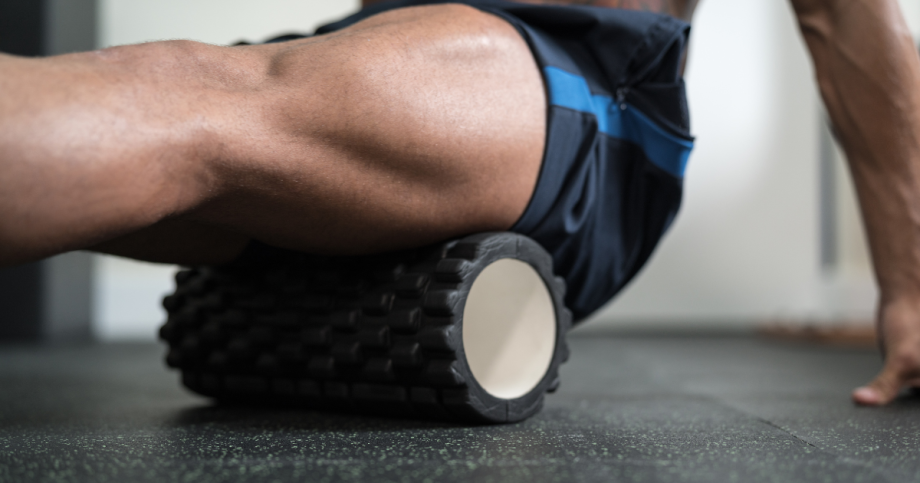
Physical recovery isn't just about rest. It involves techniques that aid muscle repair, such as stretching and massage. Engaging in light exercises can also promote circulation. This helps reduce soreness and accelerates healing.
Nutrition plays a pivotal role in recovery. Consuming the right nutrients replenishes energy stores and repairs muscle tissues. Athletes should focus on a diet rich in proteins, carbohydrates, and essential fats. Proper hydration is equally important for optimal muscle function.
Finally, mental recovery should not be overlooked. Stress management and relaxation techniques help maintain motivation and mental health. A holistic approach to recovery includes:
- Cool-down exercises
- Balanced nutrient intake
- Adequate hydration
- Sleep and relaxation
These elements come together to support an athlete's overall recovery process. Prioritizing these aspects ensures they stay on the right path to peak performance.
Minimally Invasive Treatments in Sports Injury Treatment
Minimally invasive treatments have revolutionized sports injury management. They offer significant benefits over traditional methods, primarily by reducing recovery time. These procedures often result in less pain and fewer complications, allowing athletes to resume their activities sooner.
Arthroscopy is a common minimally invasive procedure for joint injuries. It involves small incisions and specialized tools to repair damage inside joints. This technique is beneficial for treating ligament tears and cartilage damage.
Another promising method is platelet-rich plasma (PRP) therapy. PRP uses the patient's own blood, concentrated with healing factors, to promote tissue repair. Athletes often find PRP therapy effective for tendonitis and muscle injuries.
These treatments, combined with personalized rehabilitation plans, enhance recovery outcomes. Less invasive methods ensure athletes receive top care with minimal disruption. By using these advanced techniques, healthcare providers can offer targeted treatments.
Ultimately, the goal is to treat injuries efficiently without compromising future performance. With continuous advancements, minimally invasive options will remain at the forefront of sports medicine, providing safer, quicker recovery paths for athletes.
Rehabilitation: The Cornerstone of Recovery
Physical therapy plays a vital role in athletic recovery. It's essential for restoring strength, flexibility, and joint function. Therapists tailor exercises to meet the unique needs of each athlete.
Rehabilitation programs focus on gradual progression. This helps to prevent re-injury and ensures long-term success. By emphasizing correct movement patterns, athletes reduce the risk of future injuries.
Core elements of effective physical therapy include:
- Personalized exercise plans
- Manual therapy techniques
- Functional training
A comprehensive rehabilitation plan not only aids physical recovery but also enhances performance. Athletes receive guidance to maintain proper form and technique. This not only expedites recovery but also boosts overall athletic capability.
Innovative Recovery Strategies: Technology and Regenerative Medicine
In recent years, technology has revolutionized athletic recovery. Wearable devices now track metrics like heart rate and sleep patterns. This data helps tailor recovery strategies to individual needs.
Regenerative medicine offers promising solutions for athletes. Treatments like platelet-rich plasma (PRP) therapy accelerate healing. These therapies harness the body’s natural ability to repair itself.
Emerging techniques in athletic recovery include:
- Stem cell therapy
- Biomechanical analysis
- Virtual reality rehabilitation
Advanced imaging tools provide precise injury diagnosis. This ensures that treatments target the correct issues. Combining these insights with innovative therapies enhances recovery outcomes.
The role of wearable technology in monitoring recovery is crucial. Real-time feedback allows for immediate adjustments to training and rest. This proactive approach maximizes recovery efficiency and minimizes downtime.
As technology and medicine continue to evolve, athletes benefit from increasingly personalized care. This integration of cutting-edge tools and traditional techniques represents the future of sports recovery.
Personalized Recovery Plans: Tailoring Strategies for Every Athlete
Every athlete has unique needs and recovery timelines. Personalized recovery plans address these differences, providing targeted strategies to enhance healing. By focusing on individual goals and conditions, athletes benefit from a plan that aligns with their personal needs.
Customized recovery strategies are more effective, as they consider multiple factors. Age, fitness level, and the type of sport influence recovery timelines. A tailored approach recognizes these aspects and adapts accordingly.
Key elements of personalized recovery plans include:
- Assessing individual recovery needs
- Setting specific, realistic goals
- Continuously monitoring progress
Personalized plans ensure that athletes receive the care they deserve, optimizing recovery and promoting long-term health. With a strategy tailored to their specific requirements, athletes can achieve a successful and satisfying recovery journey.
Building a Holistic, Team-Centric Approach to Recovery
True recovery goes beyond treating an injury, it’s about restoring your body, mind, and performance. A holistic, team-centered approach brings together healthcare professionals, coaches, and peers to create a personalized plan that evolves with your needs.
When communication, trust, and collaboration guide your recovery, you don’t just heal, you come back stronger, more resilient, and ready to reach new personal bests.
OrthoCarolina’s sports medicine specialists are here to help you take a comprehensive approach to recovery. From minimally invasive treatments to tailored recovery plans, our team works with you every step of the way. Schedule an appointment or walk-in today and get back in the game with confidence.
Frequently Asked Questions
What are minimally invasive treatments for athletes?
These are procedures that use small incisions or targeted techniques to treat injuries with less tissue damage, faster recovery, and reduced pain compared to traditional surgery.
How quickly can athletes return to play after treatment?
Recovery depends on the injury and treatment type, but minimally invasive procedures often allow a faster return to training and competition compared to traditional methods.
Are minimally invasive treatments safe for all types of sports injuries?
Many sports injuries can be treated minimally invasively, but a specialist evaluation is essential to determine the safest and most effective option for each athlete’s condition.
Back