


The ACL recovery timeline typically spans 6 to 12 months, and for many athletes it can feel longer than expected when measured day by day. While that range may sound straightforward, the reality is that no two recoveries look the same, and progress is rarely linear.
An ACL injury involves the anterior cruciate ligament, one of the key structures that stabilizes the knee during cutting, pivoting, and sudden stops. When it tears, especially in sports, reconstruction surgery is often needed to restore stability and protect long-term knee health.
What surprises many athletes is how much ACL recovery extends beyond the surgery itself. It is a structured, step-by-step process that rebuilds strength, mobility, and confidence over time. Each phase matters, from early swelling control and regaining range of motion to advanced strength training and sport-specific drills.
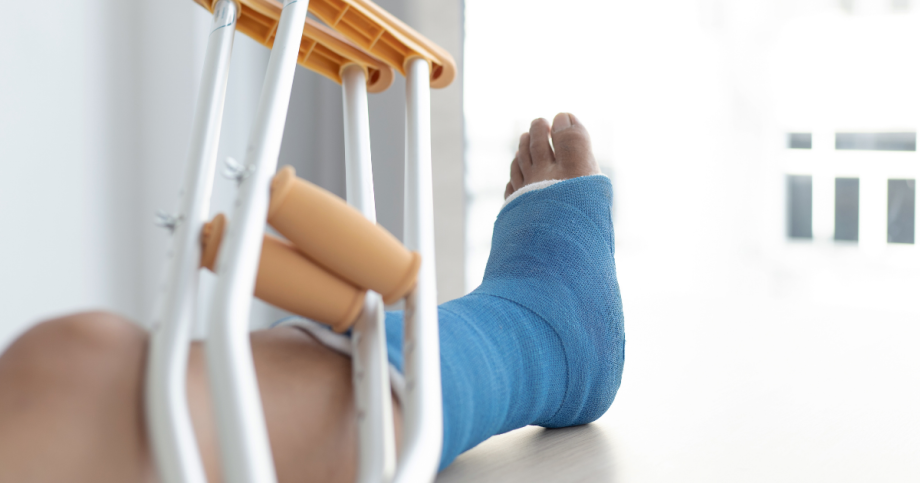
Knowing what actually drives the ACL recovery timeline can make the process feel more manageable and help athletes stay focused on the milestones that matter most.
Understanding the ACL and Its Role in Athletic Performance
The anterior cruciate ligament (ACL) is a key stabilizer in your knee. It's crucial for everyday activities and athletic performance. Without it, your knee would lack stability during dynamic movements.
Athletes rely on their ACLs for actions like jumping, pivoting, and sudden direction changes. These motions are common in sports such as soccer, basketball, and football. A healthy ACL ensures these movements are smooth and controlled.
An ACL tear can disrupt your ability to perform at your best. Surgery may be needed to restore function and prevent long-term damage. Understanding its role helps in grasping the importance of recovery.
Key functions of the ACL include:
- Preventing the shinbone from sliding forward.
- Providing rotational stability.
- Supporting joint integrity during high-impact activities.
Athletes must appreciate the ACL's role to prioritize effective recovery and future injury prevention.
Why ACL Injuries Happen: Common Causes in Athletes
ACL injuries frequently occur in sports due to demanding physical activities. These injuries often happen without contact from another player, making them harder to anticipate.
Common causes include quick pivots, awkward landings, and sudden stops. These movements can put excessive strain on the ACL, leading to tears or ruptures.
Female athletes face a higher risk than males due to various anatomical and hormonal factors. Understanding these common causes is vital for prevention and effective training practices.
Noteworthy causes include:
- Rapid direction changes
- Improper landing techniques
- Overtraining without sufficient rest
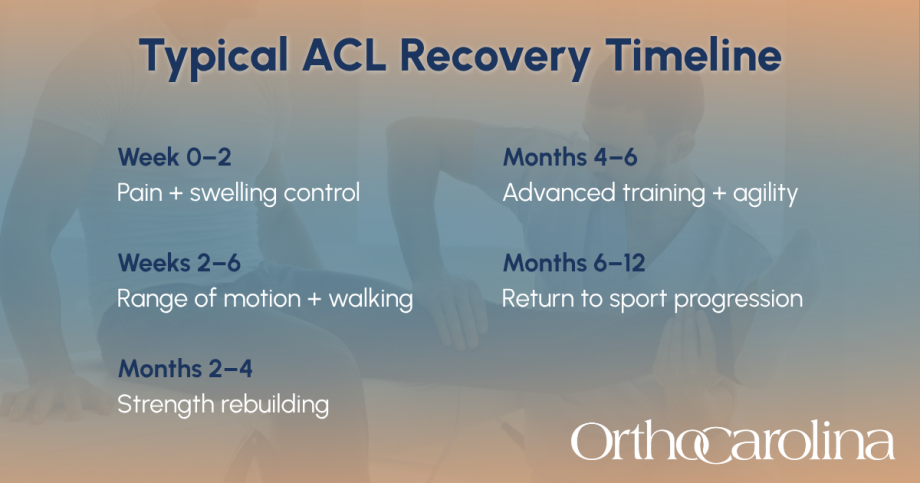
The ACL Recovery Timeline: Phase-by-Phase Breakdown
Recovering from an ACL injury involves several distinct phases. Each phase targets specific aspects of healing and rehabilitation.
Athletes must progress through these phases carefully, with guidance from healthcare professionals. Skipping steps or rushing recovery can increase the risk of setbacks.
Understanding the acl recovery timeline helps athletes set realistic goals. Let's break down the process to better understand what's involved.
Key Phases in ACL Recovery:
- Immediate Post-Surgery and Early Recovery (Weeks 0-2)
- Regaining Movement and Reducing Swelling (Weeks 2-6)
- Building Strength and Stability (Weeks 6-12)
- Advanced Rehab and Functional Training (Months 3-6)
- Return to Sport and Full Activity (Months 6-12)
Phase 1: Weeks 0-2 – Immediate Post-Surgery and Early Recovery
The first two weeks post-surgery are pivotal. During this period, the focus is on managing pain and swelling. Elevating the leg and using ice can help minimize swelling.
Regaining basic knee range of motion is crucial. Physical therapy might start soon after the surgery.
Key early recovery goals include:
- Control swelling with compression
- Begin gentle motion exercises
- Manage pain with medication and rest
Phase 2: Weeks 2-6 – Regaining Movement and Reducing Swelling
In the following weeks, improving knee mobility becomes a priority. Controlled physical therapy exercises increase range of motion.
Patients work to reduce swelling and begin gentle strength exercises. These early efforts are foundational for future phases.
Goals for this phase include:
- Increase knee bending and straightening
- Continue to reduce swelling with therapy
- Initiate light strength exercises
Phase 3: Weeks 6-12 – Building Strength and Stability
Strength and stability become the focal points. Athletes engage in more intensive physical therapy to build muscle around the knee.
Balance exercises help restore movement confidence. These steps pave the way for later functional training.
Main objectives for this period include:
- Enhance muscle strength and endurance
- Introduce balance-focused activities
- Support knee stability with targeted exercises
Phase 4: Months 3-6 – Advanced Rehab and Functional Training
Advanced rehabilitation is now feasible. This stage involves sport-specific drills to bridge the gap between rehab and normal activities.
Functional training is crucial for readiness to return to the sport. Athletes focus on agility drills tailored to their sport.
Goals in this phase are:
- Integrate sport-specific training into rehab
- Enhance agility and functional movement
- Continue strengthening exercises
Phase 5: Months 6-12 – Return to Sport and Full Activity
The final phase emphasizes the return to sport. Though many athletes start practicing by six months, full competition readiness may take longer.
Achieving psychological readiness is as crucial as physical recovery. It's important to discuss return-to-play decisions with healthcare providers.
Objectives for this stage include:
- Conduct comprehensive performance assessments
- Monitor and support psychological readiness
- Ensure full strength and knee functionality
Understanding this timeline helps athletes set realistic expectations, ultimately supporting a successful recovery journey.
Factors That Influence Your ACL Healing Timeline
ACL recovery isn't a one-size-fits-all process. Several factors can affect how quickly and effectively you heal. Understanding these influences can help tailor your recovery plan.
Age and overall health play significant roles. Younger athletes often heal faster than older ones with chronic health conditions.
Adherence to rehabilitation is also crucial. Following your rehab program consistently can accelerate recovery.
Recognizing these influences helps set realistic expectations and guide a personalized recovery approach.
Psychological Recovery: The Mental Side of ACL Rehab
The mental aspect of ACL recovery is as important as the physical. Emotions can run high as athletes face challenges and setbacks. Addressing mental health can greatly aid the rehab process.
Athletes often experience frustration or fear of re-injury. These feelings are normal but require attention to ensure full recovery.
Supporting your mental well-being is vital. Strategies include:
- Professional support: Seek guidance from sports psychologists.
- Mindfulness practices: Practice meditation or yoga to reduce stress.
- Positive visualization: Focus on successful recovery outcomes.
Balancing mental and physical recovery leads to a more holistic healing experience.
Tips for Optimizing Your ACL Surgery Recovery Timeline
Optimizing your ACL recovery requires strategic planning and effort. Here are some tips to help you on this journey.
Consistency is key. Stick to your rehabilitation schedule without skipping sessions. Rehab exercises should be a priority to restore knee function.
Diet plays a supportive role. Ensure your meals are rich in nutrients crucial for healing. This promotes tissue repair and overall well-being.
Consider these additional strategies:
- Stay hydrated: Adequate fluid intake aids recovery.
- Follow your physician's advice: Trust their expertise.
- Get ample rest: Sleep is vital for healing.
Implementing these tips can significantly enhance your recovery experience.
Recognizing Setbacks and Complications: When to Seek Help
During recovery, it's crucial to distinguish between normal healing pain and complications. Persistent swelling or intense pain might signal issues.
Pay attention to signs suggesting complications, such as:
- Prolonged swelling that doesn't subside
- Fever or unusual chills
- Redness or warmth around the knee
If you experience these symptoms, contact your healthcare provider. Early intervention can prevent more serious setbacks. Trust your instincts and seek help when something feels off.
Preventing Re-Injury and Protecting Your Knee Long-Term
Preventing future ACL injuries is essential for long-term knee health. A proactive approach includes strengthening and conditioning exercises tailored to your needs.
Consider the following strategies to safeguard your knee:
- Focus on flexibility through regular stretching
- Engage in strength training for supportive muscles
- Practice good form during activities to reduce stress on the knee
Wearing appropriate footwear and equipment can further minimize risk. Also, gradually increase activity levels to allow your knee to adapt. Consistent preventive measures will help maintain knee stability over time.
What Every Athlete Should Remember
The ACL recovery timeline is not a straight path, and most athletes will experience ups and downs along the way. Full recovery often takes 6 to 12 months, but progress depends heavily on consistent rehabilitation, individual healing, and overall health.
A few key reminders to keep in mind:
- Most ACL recoveries take 6 to 12 months, with return to sport varying by individual
- A structured, personalized rehab plan is essential for rebuilding strength and stability
- Mental readiness is just as important as physical recovery when returning to competition
Staying patient, following your rehabilitation plan, and communicating regularly with your care team all play a major role in long-term success. If you are recovering from an ACL injury or need guidance on next steps, the orthopedic specialists at OrthoCarolina can help you move forward with confidence. Book an appointment online today with OrthoCarolina Sports Medicine and take the next step toward a safe return to sport.
Frequently Asked Questions
How long does ACL recovery usually take for athletes?
ACL recovery typically takes about 6 to 12 months, depending on the severity of the injury, surgical approach, and how consistently rehab is followed. Some athletes may need longer before safely returning to full competition.
When can I return to sports after ACL surgery?
Return to sport depends on strength, stability, and functional testing rather than time alone. Most athletes return between 9 and 12 months, but clearance should always come from a sports medicine specialist.
What is the most important part of ACL recovery?
Rehabilitation is the most critical part of recovery. Consistent physical therapy focused on strength, balance, and neuromuscular control is essential for regaining stability and preventing reinjury.
Back