


Hiking buddies are great and all, but solo trekking might be even better.
Hiking alone offers the chance to unplug and savor a bit of solitude. It allows you to set your own pace. It can even lead to memorable encounters with reclusive wildlife.
Hitting the trail alone also provides an opportunity to test your mettle and build confidence.
Of course, heading out into the wilderness alone also inevitably involves greater inherent risk. But with the proper planning and preparation, a solo hike can be a truly life-affirming experienceâand may even inspire more solo adventures. Here are some things to know.
Choosing Your Destination
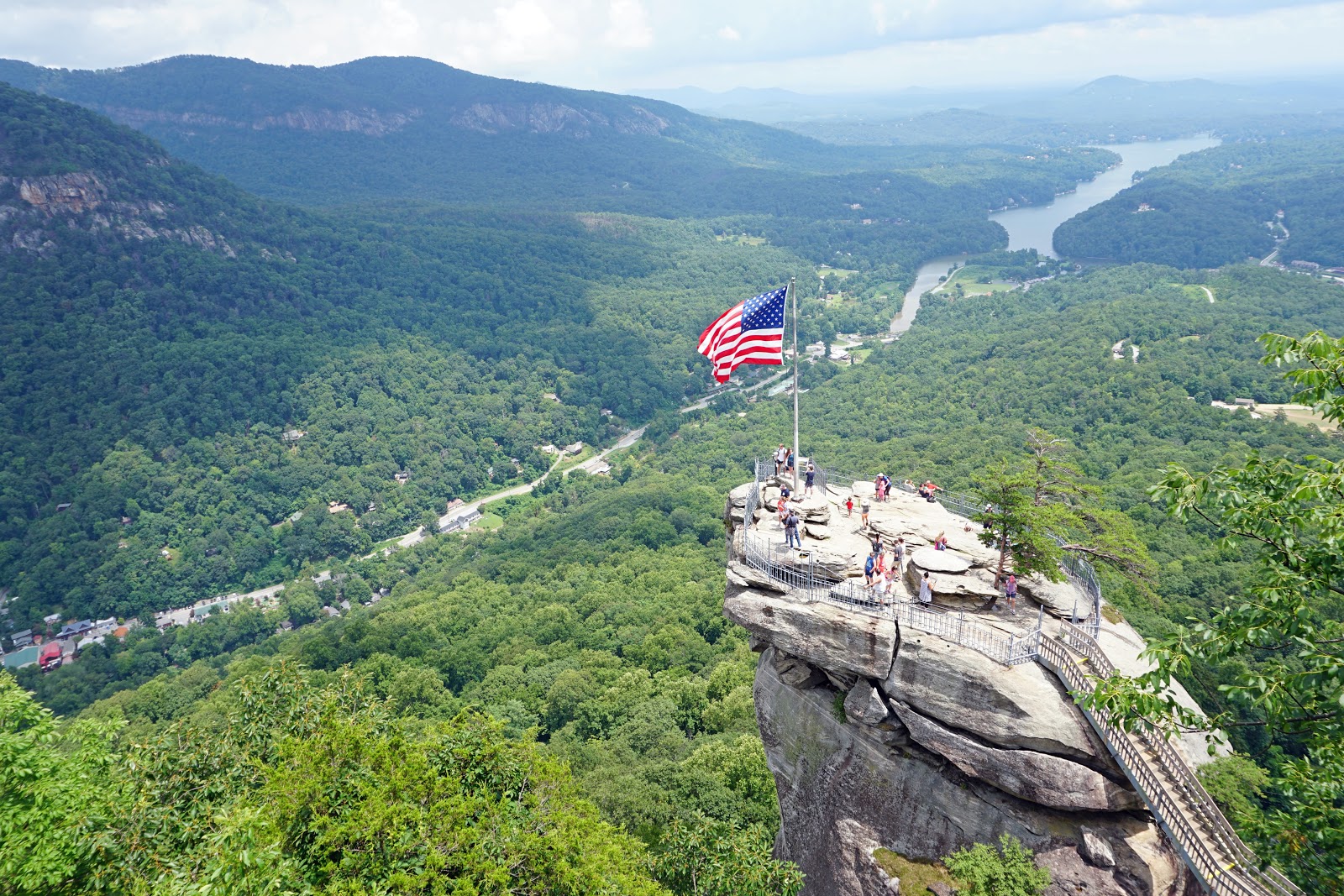
While it may be tempting to explore a new trail or choose a hike with a big aesthetic payoff, consider your first solo hike a practice run.
When just starting out, hone your hiking skills on a trail youâre familiar with, and make sure thereâs not too much technical terrain. Plan to avoid routes with risky attributesâlike precarious rock scrambles, river crossings, or exposed ridgeline traverses.
Also, be mindful of your physical abilities, and stick with a hike within your comfort zone.
Another thing to keep in mind when choosing a destination is foot traffic. For first-time solo hikers, you probably donât want to pick something so remote it could appear in an episode of Man vs. Wild.
The key is to choose a trail where other hikers are bound to be exploring as well. This way, in case thereâs an emergency, you wonât be on your own.
Later on, once youâve built up your solo skills and confidence, you can gradually seek out more off-the-beaten-path destinations.
Assessing and Managing Risk
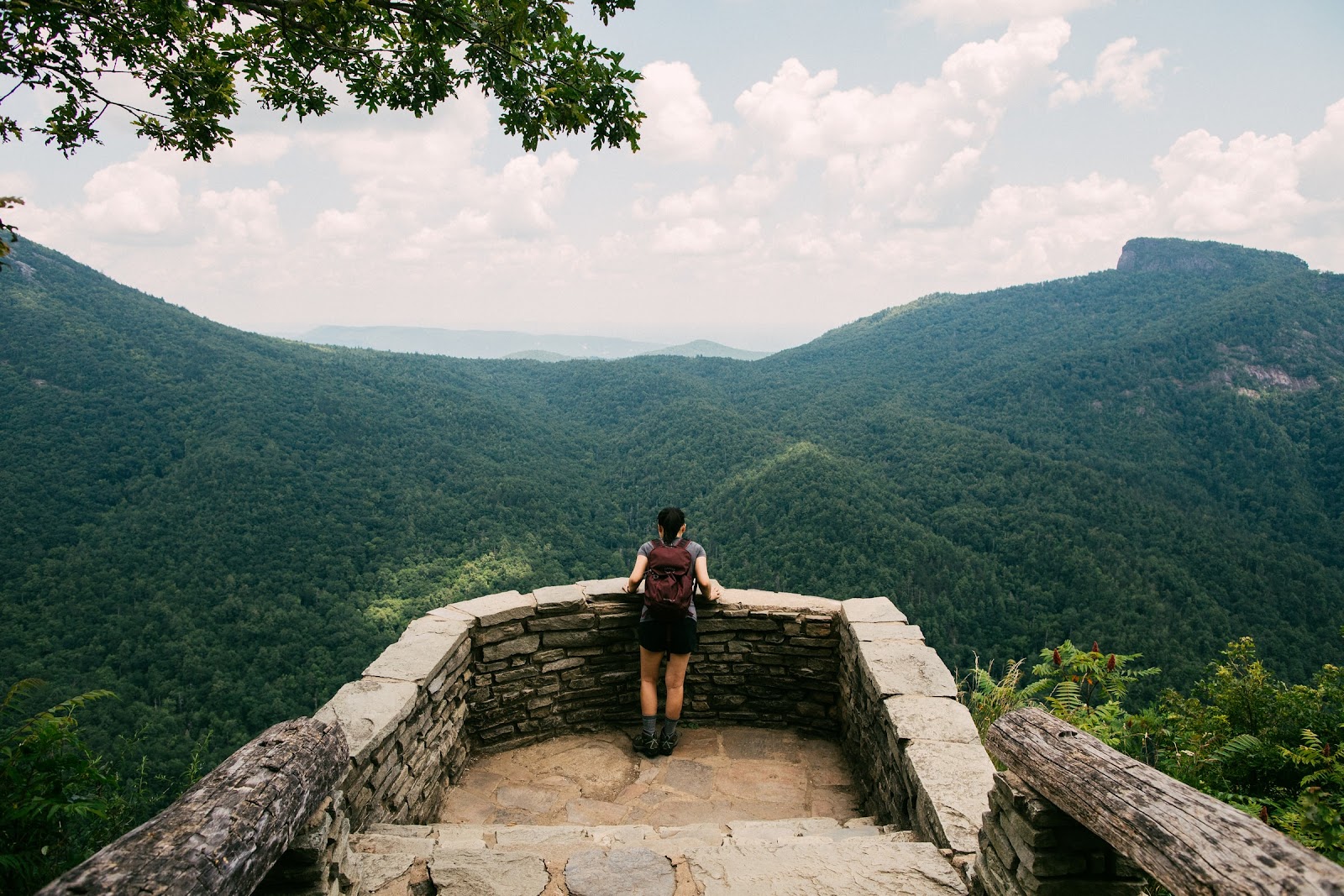
First of all, do your homework. Meticulously map your intended route and pay close attention to the terrain to identify any potential challenges you may encounter along your hike.
Some things to be on the lookout for include: stream crossings that get dicey after a storm, exposed ridgelines notorious for fickle weather, or stretches of trail prone to washing out in the rain.
Once youâve covered the initial basics, dig in and research your chosen destination to identify any other potential risks. Consider factors like wildlife you might encounter along the trail, seasonal temperature extremes, or stretches of trail that are notoriously difficult to navigate.
Finally, make a plan for minimizing the risks associated with these challenges. This could mean bringing bear spray on a trail known for bear activity, stocking your first aid kit with a few destination-specific items, or packing extra outerwear in case of rapidly fluctuating weather.
Letâs talk tech. While smartphones are not always reliable on the trail, these days there are a number of backcountry communication devices that offer an added safety-net for solo hikers.
In a bind, gadgets like the Garmin inReach Mini Satellite Communicator, the Spot X Satellite Messenger, or the Somwear Global Hotspot can provide the details of your location. They can also allow you to keep in touch with friends and family or contact emergency services while in the backcountry.
Before You Head Out
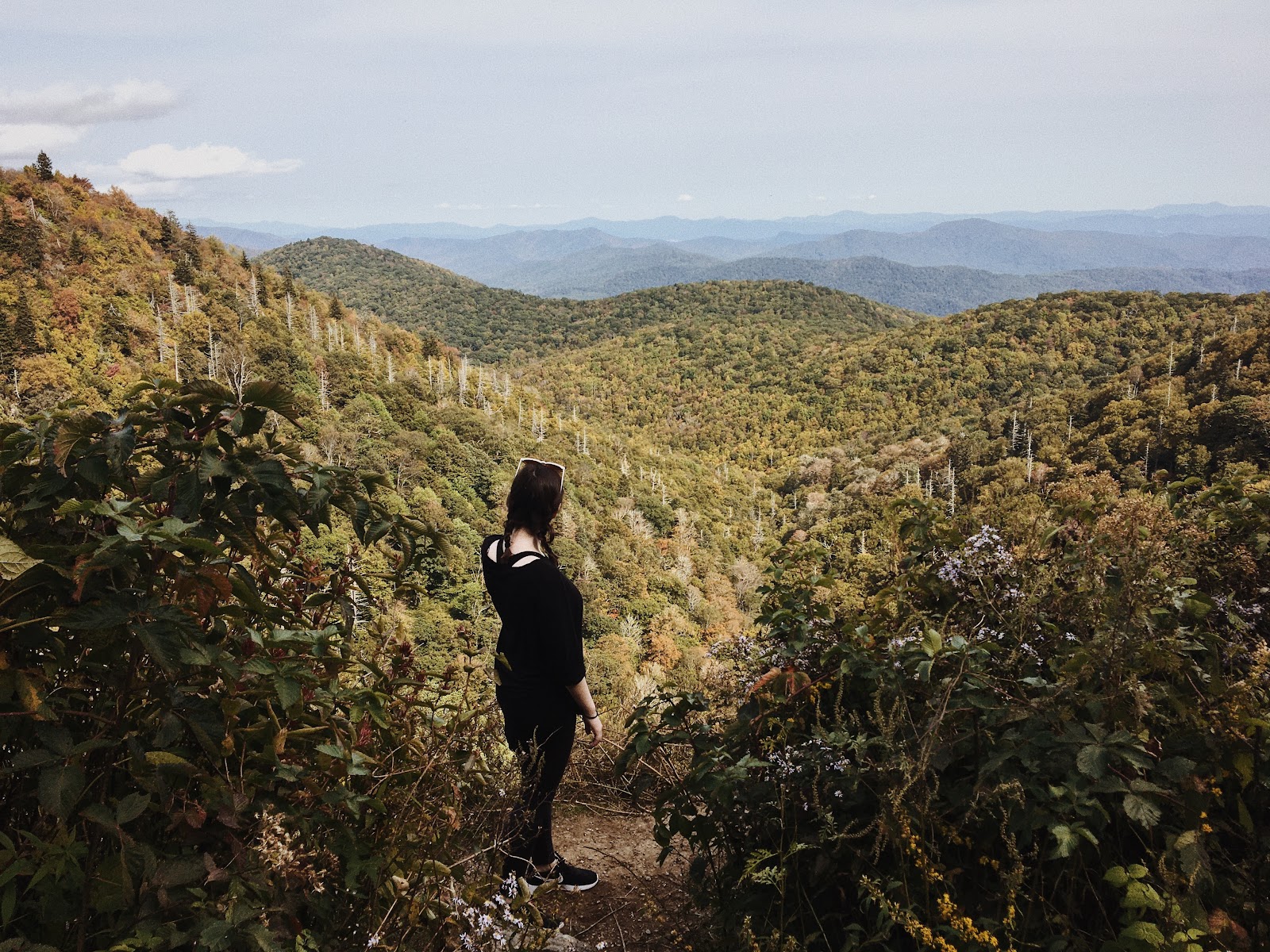
Another great thing about solo hiking? So much of the safety legwork can be done before your legs even hit the trail. Here are some simple prep ideas.
- Let a friend or family member know the specifics of your intended hike, including the time period you expect to be out on the trail. Also, make a plan to check-in when you get home, too.
- Pay attention to the weather at your chosen destination the day you head out, and have a contingency plan for potentially hazardous conditions.
- Donât forget to check all necessary websites for any last-minute trail closures or other advisories, and adjust your plans if needed.
- Donât forget about the physical component of your trek. âItâs great to warm up before hitting the trail with ankle circles, heel raises, and gentle dynamic warm-up stretches,â Ayers says.
What to Pack for a Solo Hike
Whether you despise packing or look forward to it with the organizational zeal of Marie Condo, itâs an essential part of the solo hiking experience. Here are a few things to keep in mind.
- Make a list of gear specifically tailored to your destination.
- For example, if thereâs rain, be sure to dress in layers with a waterproof shell.
- If the terrain is highly technical (with rocks and roots), consider boots with over-the-ankle support.
- Before loading your backpack, lay out all your gear and be sure you have included everything on your listâeven if that means going item by item as you pack.
- âItâs better to be over-prepared than caught off-guard,â Ayers says.
- Even if you are just heading out for the day, itâs best to bring essentials like navigational tools, a fully stocked first aid kit, multi-tool, headlamp, and emergency bivvy or space blanket, along with plenty of water, trail snacks, and extra clothing layers.
- For solo hikers, innovative navigation apps like Gaia GPS, Hiking Project, PeakVisor, and ViewRanger can be invaluable sources of information both before you head out for your hike, and once you are actually on the trail.
- Keep in mind though: technology isnât always failsafe, and sometimes things go wrong. Itâs always best to bring along a traditional map and compass just in case of technological glitches.
On the Trail
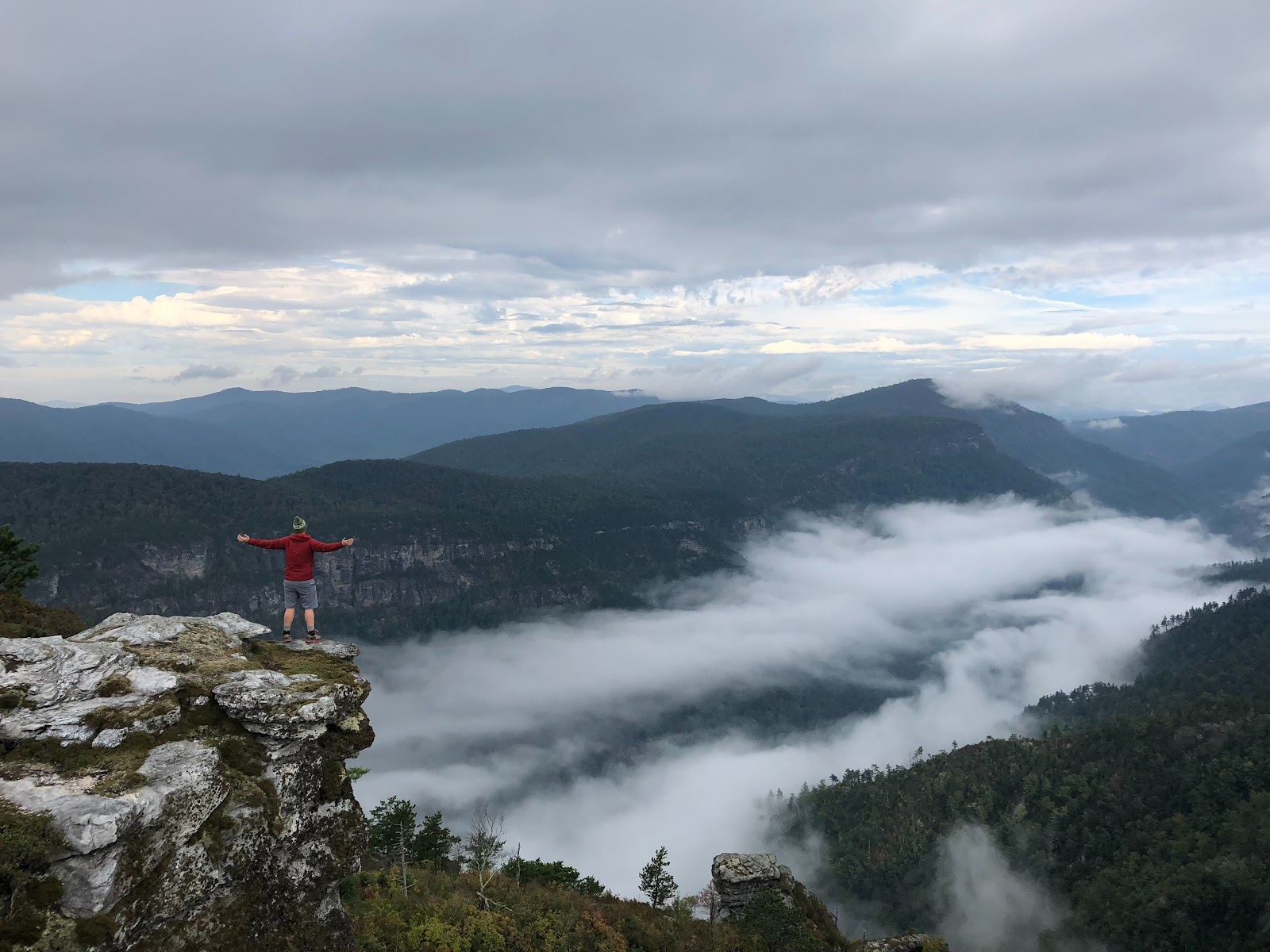
Once youâre out there on a solo hike, the famous phrase âhike your own hikeâ takes on new pronounced meaning. To ensure itâs a good one, consider doing the following.
- Trust your gut. If something doesnât seem rightâif youâre unsure of your skills or feel like youâve reached your physical limitâdonât be afraid to alter your route, or bail out altogether.
- Without a hiking buddy, itâs much easier to get spooked on the trail. Sometimes, this can lead to hasty decisions.
- Donât forget about the mental component of heading out alone. And consider practicing a calming technique, whether itâs a meditative breathing exercise, an encouraging mantra to repeat as you hike, or something as simple as singing an upbeat song to yourself.
- âDonât over-schedule yourself,â adds Ayers. âGive yourself time to enjoy and birdwatch, to stop and smell the flowers. You donât want to rush.â
Finally, donât forget this age-old advice: practice leads to improvement. Consider your first solo trip a learning experience.
âEach time you hike, youâll find out what you need and what you can do without,â Ayers says. âThe important thing is to take time to slow down and be present in the moment. Remember: being in nature is a stress reliever.â
Find a trail near you on the Carolina Thread Trail Map. Choose your desired distance & difficulty, view trail features and have fun planning your next hiking adventure.
Back