


Hand fractures are a common injury that can interrupt everyday activities and impact quality of life. They often happen due to falls, sports accidents, or direct trauma, and each fracture is unique in how it needs to be treated.
Treatment options range from non-surgical approaches like splints to surgical procedures, and sometimes injections are used to manage pain or support healing. The right approach depends on the type, location, and severity of the fracture, as well as individual needs and lifestyle.
Understanding these options helps patients take control of their recovery and supports healthcare professionals in choosing the most effective path to restore hand function and strength.
Understanding Hand Fractures: Causes and Diagnosis
Hand fractures occur when bones in the hand break due to various reasons. Common causes include falls, sports injuries, or automotive accidents.
Accurate diagnosis is critical to successful treatment. It often starts with a detailed physical examination by a healthcare provider.
Diagnostic imaging helps confirm the fracture's presence and extent. This imaging is vital for precise treatment planning.
Early diagnosis and treatment can prevent complications and ensure better outcomes. Understanding the causes and accurate diagnosis helps guide effective treatment strategies for hand fractures.
Anatomy of the Hand and Types of Hand Fractures
The hand is a complex structure made of many small bones. These bones include the phalanges, metacarpals, and carpal bones, each serving a specific function.
Fractures can occur in any of these bones, often due to direct impact or stress. The types of hand fractures vary based on location and severity.
Fractures are classified into several types:
- Stable fractures
- Unstable fractures
- Compound fractures
- Comminuted fractures
Understanding the types of hand fractures is crucial for proper treatment. Different fractures require distinct approaches, emphasizing the need for tailored care. The anatomy and fracture type play significant roles in determining the best fixation method.
Initial Assessment and When to Seek Care
Identifying a hand fracture begins with an assessment by a healthcare provider. They evaluate symptoms and conduct a physical exam to determine the injury's extent.
Early signs of a fracture might include:
- Swelling or bruising
- Pain and tenderness
- Difficulty moving fingers
Prompt medical evaluation is essential if these signs are present. Immediate care can prevent complications and improve recovery outcomes. Seeking professional help ensures an accurate diagnosis and the selection of the best treatment option for the fracture.
Non-Surgical Hand Fracture Fixation Options
Non-surgical treatments offer effective solutions for many hand fractures. These options depend on the fracture's location and severity.
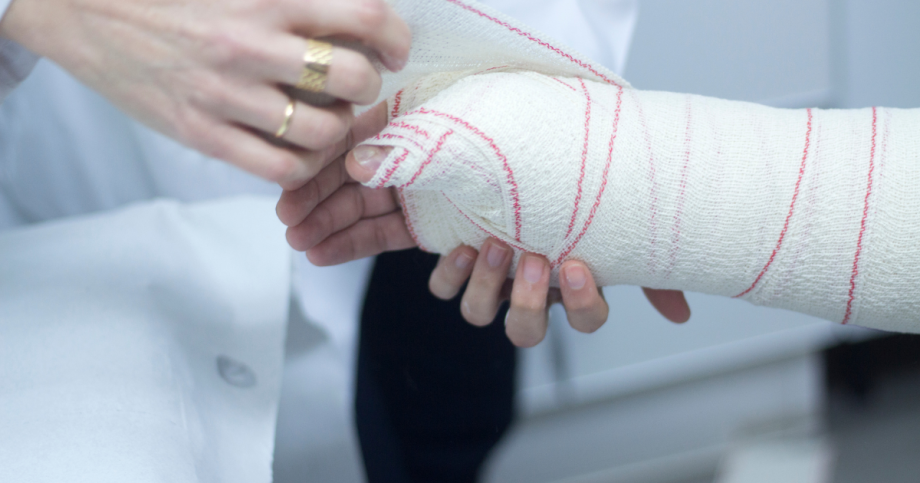
A hand splint may be recommended to stabilize the fracture. This immobilizes the affected area, promoting natural healing. Resting hand splints keep the hand in a functional position, reducing strain on the injury.
Non-surgical methods are typically for stable fractures where bones remain aligned. The benefits of these options include a lower risk of complications and faster recovery times.
Common non-surgical options include:
- Hand splints
- Resting hand splints
- Physical therapy
Each patient's treatment is tailored to individual needs, ensuring the best possible outcome. Personalized care increases the likelihood of successful healing and reduces recovery times. It's crucial for patients to follow the treatment plan closely for optimal results.
Regular follow-up appointments help monitor progress and make necessary adjustments. This collaborative approach between the patient and healthcare team enhances overall recovery. Adherence to non-surgical treatments is vital for achieving the best outcomes.
Hand Splints and Resting Hand Splints
Hand splints are a cornerstone of non-surgical fracture treatment. They provide support and immobilization for stable fractures. Custom-fitted for each patient, hand splints ensure comfort during use.
Resting hand splints serve a similar purpose, keeping the hand in a functional position. This helps prevent complications like stiffness. These splints are particularly useful for managing night-time discomfort.
Key benefits of hand splints include:
- Custom fit for comfort
- Reduced healing time
- Support during the recovery process
Patients should wear splints as directed by their healthcare provider. Consistent use is crucial for effective healing. It's also important to regularly check for any changes in fit or comfort, adjusting as needed.
Hand splints facilitate recovery by maintaining stability and promoting healing. With proper use, they allow patients to return to daily activities safely. Following guidelines and attending regular check-ups enhances the healing process.
Injections for Hand Fractures
In some cases, injections may be a useful addition to fracture treatment. Corticosteroids are one type, often utilized to manage inflammation. They can also help alleviate pain, contributing to patient comfort.
Injections are usually supplementary to other treatments, such as splinting. They offer targeted relief, aiding overall recovery. It’s important to note that not all fractures benefit from injections.
Potential advantages include:
- Decreased inflammation
- Pain relief
- Targeted treatment approach
Injections are typically administered by healthcare professionals. Their use is carefully considered based on individual patient needs. When appropriate, they can enhance a comprehensive care plan.
Incorporating injections into a treatment strategy can improve outcomes. However, patient education and informed decision-making remain critical. Understanding the role of injections helps patients actively participate in their care.
Surgical Hand Fracture Fixation Options
Surgery can be necessary for complex or unstable hand fractures. Surgical fixation provides stability to assist healing. This approach is often chosen when bones cannot realign naturally.
Surgeons employ various techniques to fix fractures. The choice depends on fracture type and location. Surgery aims to restore function with minimal disruption.
Common surgical tools include:
- Pins
- Screws
- Plates
Surgical intervention, although more invasive, often ensures better outcomes for complex injuries. It's important for patients to discuss the potential risks and benefits with their healthcare team.
Common Surgical Techniques: Pins, Screws, and Plates
Different surgical methods address diverse fracture requirements. Pins are thin metal rods inserted into bone to hold it stable. They are often removed once healing progresses.
Screws offer more robust fixation. They hold fractures in place and can remain permanently. This method suits larger or complex fractures.
Plates, made of metal, are used to bridge fracture gaps. They are attached with screws to keep the bone aligned.
Each technique provides unique benefits based on fracture specifics. Selection depends on fracture size, location, and complexity.
Professional surgical assessment ensures the right method is applied.
Advances in Minimally Invasive Surgery
Minimally invasive techniques advance surgery by reducing recovery times. Smaller incisions minimize tissue damage, promoting quicker healing. These modern approaches are often preferred for suitable cases.
Benefits of minimally invasive surgery:
- Reduced scarring
- Quicker recovery
- Less post-operative pain
Utilizing advanced technologies, these techniques improve patient experiences. They represent ongoing innovations in orthopedic care, offering better outcomes for hand fracture patients.
Factors Influencing Treatment Choice
Choosing a treatment for hand fractures depends on several key factors. The patient's age and activity level play significant roles. Overall health and fracture severity also guide decisions.
Physicians assess these elements to suggest the best options. Each patient's situation is unique. Thus, personalized care is prioritized.
Factors impacting treatment choice include:
- Patient's lifestyle and activity demands
- The complexity of the fracture
- Potential for complications
Communication between doctors and patients ensures understanding. It helps align treatment with patient preferences and medical recommendations. This partnership is crucial for optimal outcomes.
Preventing Complications and Promoting Healing
Preventing complications is vital for effective healing. Timely intervention and adhering to treatment protocols reduce risks. Follow-up care ensures progress and addresses concerns promptly.
Essential steps for healing include:
- Following treatment and therapy plans
- Attending regular check-ups
- Managing pain appropriately
Patients should engage actively in their care. Consistent communication with healthcare providers supports successful recovery. With diligence, patients can heal well and regain function.
Choosing the Best Hand Fracture Fixation Option
Picking the right treatment for a hand fracture can make all the difference in recovery, function, and long-term comfort. Each fracture is unique, and understanding its specifics—along with your personal needs—helps guide the safest and most effective approach.
Working closely with orthopedic specialists ensures care is tailored to you, minimizing complications and supporting a faster, stronger recovery.
OrthoCarolina provides personalized treatment plans, whether you need surgery, splints, or injections. Schedule an appointment today to get expert guidance and support for a full, functional recovery.
Frequently Asked Questions
How do doctors decide between surgery, splints, or injections for a hand fracture?
The choice depends on the type, location, and severity of the fracture, as well as your age, activity level, and overall health. A specialist evaluates these factors to recommend the safest, most effective treatment.
How long does recovery take for each treatment option?
Recovery varies: splints may take several weeks, injections focus on pain relief but may require additional immobilization, and surgery typically involves a structured rehabilitation plan for optimal healing and function.
Can I regain full hand function after a fracture?
With proper treatment and rehabilitation, most patients regain full or near-full hand function. Early intervention, adherence to therapy, and guidance from a hand specialist are key to successful recovery.
Back