


Arthritis often begins with small warning signs like joint stiffness, mild pain, or swelling. While these symptoms may seem minor at first, they can gradually affect your mobility and daily activities if left untreated.
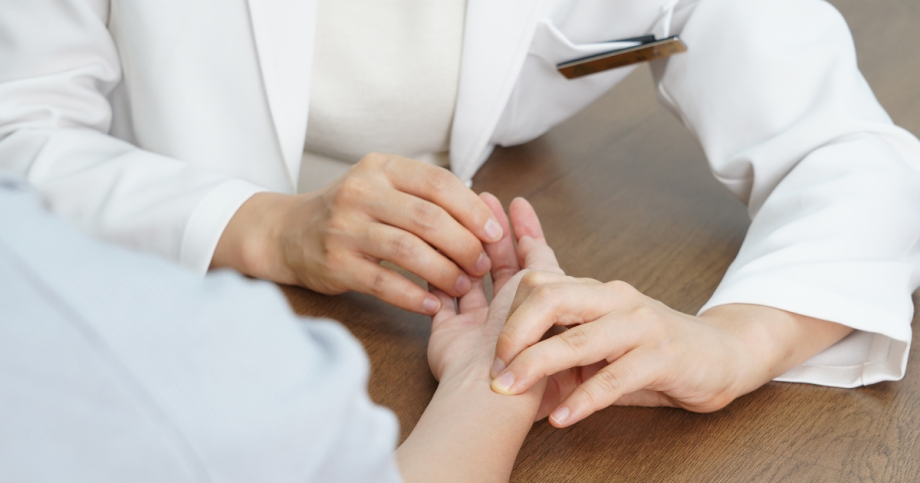
The good news is that early arthritis treatment can help slow joint damage, reduce pain, and keep you active. From targeted medications and physical therapy to lifestyle changes and low-impact exercise, there are several effective ways to manage symptoms and protect your joints.
Understanding your treatment options early can help you take control of your joint health and continue doing the activities you enjoy.
Understanding Early Arthritis: Symptoms and Diagnosis
Recognizing early symptoms of arthritis is the first step towards effective treatment. Common signs include joint pain, stiffness, and swelling.
These symptoms may come and go initially, making them easy to overlook. However, early diagnosis can greatly affect long-term outcomes.
An orthopedic doctor will assess your symptoms and medical history. A physical exam can help identify affected joints and their range of motion.
Diagnostic tests, such as blood tests and imaging, may be used to confirm arthritis. These help determine the specific type and severity.
Common early arthritis symptoms include:
- Joint pain or tenderness
- Morning stiffness lasting more than 30 minutes
- Swelling in one or more joints
Being informed about these symptoms can prompt early medical attention, aiding in managing arthritis effectively.
Why Early Treatment Matters
Early arthritis treatment can significantly reduce joint damage and improve quality of life. Acting quickly helps manage pain more effectively and keeps you moving.
Addressing arthritis symptoms early on can prevent the condition from progressing. This makes it easier to maintain an active lifestyle, enhancing both physical and mental well-being.
Proactive treatment can lead to better long-term health outcomes. By working closely with your healthcare provider, you can devise a strategy to minimize arthritis’s impact on your life.
Medical Arthritis Treatment Options
Addressing arthritis early with medical treatment can drastically improve symptoms and slow progression. Treatment for arthritis usually involves a combination of medications tailored to your specific needs.
Non-steroidal anti-inflammatory drugs (NSAIDs) are often prescribed. They help reduce inflammation and pain, making daily activities more manageable.
For some, disease-modifying antirheumatic drugs (DMARDs) may be necessary. DMARDs can slow disease progression, particularly in rheumatoid arthritis.
Biologic agents, a newer option, target specific immune system areas. They offer hope for those who don’t respond to traditional treatments.
Your treatment plan might also include joint injections. Corticosteroid injections can provide temporary relief from severe pain.
It’s crucial to monitor treatment effectiveness with your healthcare provider. Regular check-ups ensure that your treatment path is tailored to your evolving needs.
Staying Active To Help Manage Symptoms
Exercise is crucial for those with arthritis. Choosing the right activities can make a big difference.
Low-impact exercises are recommended. These include swimming and cycling. They minimize joint strain while improving strength.
Walking is another excellent choice. It’s accessible and offers cardiovascular benefits.
It’s essential to listen to your body. If pain increases, modify the activity.
Recommended Exercises:
- Swimming for low-impact strength
- Cycling for joint-friendly cardio
- Walking for accessible exercise
Occupational Therapy and Assistive Devices
Occupational therapy helps you adapt to daily life challenges with arthritis. It’s about making tasks easier and safer.
Therapists may suggest small changes. These can significantly reduce joint strain in daily activities.
Assistive devices like braces or orthotics provide additional support. They alleviate pain and improve functionality.
Incorporating these tools enhances independence. It fosters a sense of self-sufficiency and confidence.
Tools for Daily Living:
- Braces for support
- Orthotics for improved functionality
- Adaptive strategies for routine tasks
Lifestyle Changes for Managing Early Arthritis
Lifestyle changes are a key component in managing early arthritis effectively. They complement medical treatments and enhance overall well-being. Prioritizing certain habits can lead to reduced symptoms and improved quality of life.
Simple adjustments, like being mindful of your daily routine, can make a substantial difference. These changes are both practical and empowering, making it easier to cope with arthritis.
Adopting a healthy lifestyle means more than just physical changes. It also involves nurturing mental and emotional health, ensuring a holistic approach to arthritis management.
Key Lifestyle Strategies:
- Regular physical activity
- Stress management techniques
- Balanced nutrition
Weight Management and Diet
Managing your weight is critical when dealing with arthritis. Excess weight places unnecessary strain on joints, worsening symptoms. A balanced diet can help with weight control and joint health.
Focus on nutrient-dense foods to fuel your body. Include fruits, vegetables, lean proteins, and whole grains in your meals. These choices support inflammation reduction and overall health.
A thoughtful diet can significantly ease arthritis symptoms and enhance mobility.
Dietary Tips:
- Prioritize whole foods
- Limit processed items
- Maintain portion control
Natural Arthritis Remedies and Complementary Therapies
Exploring natural remedies can provide additional comfort for those managing arthritis. Many find relief using herbal supplements and alternative treatments. These options can complement medical therapies and enhance overall well-being.
While not a substitute for medical advice, these remedies might reduce symptoms like pain and stiffness. Consult your orthopedic specialist before adding new treatments to your routine.
Popular Natural Remedies:
- Turmeric for inflammation
- Omega-3 fatty acids
- Acupuncture for pain management
Creating Your Personalized Arthritis Management Plan
Creating a personalized arthritis management plan is vital. It ensures that your specific needs and lifestyle are addressed effectively.
Consider factors like symptoms, daily routines, and treatment responses. A tailored approach enhances flexibility and manages pain better over time.
Key Elements to Consider:
- Individual symptoms and needs
- Daily activity levels
- Treatment responses and adaptations
Take Control of Your Arthritis Journey
Early arthritis doesn’t have to slow you down. With the right approach, you can manage pain, protect your joints, and stay active in the activities you love.
By combining medical treatments, therapy, and lifestyle strategies, you can create a plan that fits your unique needs and keeps your life moving forward. Staying proactive and checking in regularly with your healthcare provider ensures you’re on track and addressing symptoms before they escalate.
If joint pain is starting to interfere with your daily activities, the experts at OrthoCarolina can help. From personalized treatment plans to guidance on staying active safely, their team is here to support your arthritis journey and help you maintain the lifestyle you enjoy.
Schedule an appointment with OrthoCarolina today (or walk-in) to take charge of your joint health and stay active.
Frequently Asked Questions
What are the early signs of arthritis?
Early arthritis often starts with joint stiffness, mild pain, swelling, or reduced mobility, especially in the mornings or after activity. Recognizing these symptoms early can help prevent further joint damage.
How can I stay active with early arthritis?
Staying active with low-impact exercises like walking, swimming, cycling, or targeted physical therapy helps maintain joint function, reduce pain, and improve overall mobility without overloading the joints.
What treatment options are available for early arthritis?
Treatment options for early arthritis include medications to reduce inflammation and pain, physical therapy, lifestyle modifications, and complementary approaches like heat, ice, or gentle stretching. Early intervention can slow progression and improve quality of life.
Back