
CURRENT PATIENTS
Sign into MyOrthoCarolina to schedule an appointment.
NEW PATIENTS
Select your preferred provider from the list below.
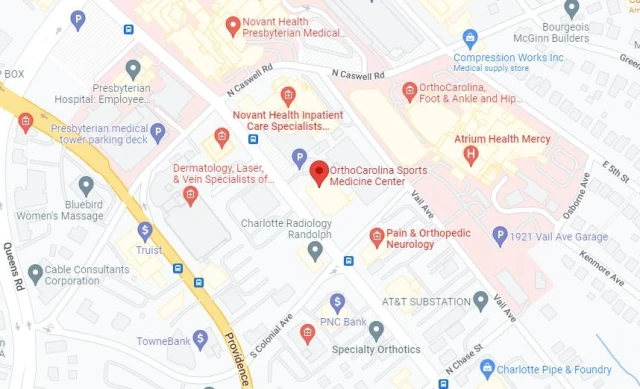
1915 Randolph Rd
1sr Floor
Charlotte, NC 28207


Tuesday mornings & all day Thursday and Friday
1915 Randolph Rd
1sr Floor
Charlotte, NC 28207
Specialized Cartilage Preservation and Restoration Care
The Cartilage Restoration Institute at OrthoCarolina specializes in treating cartilage damage of the knee and other weight-bearing joints using advanced surgical and biologic techniques designed to preserve the natural joint whenever possible.
Cartilage injuries do not heal easily on their own, and untreated damage can lead to worsening pain, reduced mobility, and early arthritis. Our goal is to restore joint function, reduce pain, and help patients return to activity through personalized treatment plans that may include both non-surgical care and advanced cartilage restoration procedures.
We focus on early intervention, accurate diagnosis, and long-term joint preservation for active individuals, athletes, and patients with degenerative or traumatic cartilage injury.
What Is Cartilage Damage?
Cartilage is the smooth, protective tissue that covers the ends of bones in a joint. It allows for frictionless movement and helps absorb impact during activity.
When cartilage is damaged, the joint loses this protective surface, which can lead to pain, swelling, stiffness, and progressive joint wear over time.
Because cartilage has limited healing capacity, even small injuries can become more significant if not properly evaluated and treated.
Conditions We Treat
The Cartilage Restoration Institute evaluates and treats a wide range of cartilage and joint preservation conditions, including:
- Focal cartilage defects of the knee
- Osteochondritis dissecans (OCD lesions)
- Meniscus tears with associated cartilage injury
- Post-traumatic cartilage damage
- Early degenerative cartilage wear
- Sports-related cartilage injuries
Symptoms of Cartilage Damage
Cartilage injuries often develop gradually, though some occur after a specific trauma.
Common symptoms include:
- Knee pain with activity or weight-bearing
- Swelling that comes and goes
- Catching, locking, or grinding sensations
- Stiffness after rest
- Pain with stairs, squatting, or impact activity
- Reduced athletic performance or endurance
Causes of Cartilage Injury
Cartilage damage can occur from a variety of factors, including:
- Sports injuries and twisting trauma
- Direct impact to the joint
- Repetitive overuse
- Ligament injuries such as ACL tears
- Meniscus injury or degeneration
- Joint alignment issues
- Osteochondritis dissecans
Expertise in Joint Preservation and Sports Medicine
The Cartilage Restoration Institute is part of OrthoCarolina’s sports medicine and joint preservation network, offering advanced treatment options for patients with complex cartilage injuries.
Our focus is on preserving joint health through evidence-based surgical techniques, biologic innovation, and coordinated rehabilitation.
Appointments and Scheduling
Patients can schedule an evaluation through OrthoCarolina Sports Medicine or book an appointment directly online for a consultation.
Early evaluation is important, as treatment options are often more effective when cartilage damage is addressed sooner rather than later.
Advanced Cartilage Restoration Treatments
Treatment depends on the size, depth, and location of the cartilage injury as well as the patient’s activity level and goals.
Non-Surgical Treatment Options
In select cases, symptoms may be managed with non-operative care such as:
- Activity modification
- Anti-inflammatory strategies
- Injections to reduce pain and inflammation
- Bracing or support for stability
These options do not repair cartilage but can improve symptoms and function.
Surgical Cartilage Restoration Procedures
When appropriate, advanced surgical techniques may be used to restore damaged cartilage and preserve the joint, including:
- Osteochondral allograft transplantation
- OATS procedure (Osteochondral Autograft Transfer System)
- MACI (Matrix-Induced Autologous Chondrocyte Implantation)
- DeNovo cartilage implantation
- High tibial osteotomy (HTO)
- Distal femoral osteotomy (DFO)
- Tibial tubercle osteotomy (TTO)
- Meniscal transplantation
NEW PATIENTS
Schedule An Appointment
CURRENT PATIENTS
Sign Into MyOrthoCarolina
NEW PATIENTS
Schedule An Appointment
CURRENT PATIENTS
Sign Into MyOrthoCarolina

NEW PATIENTS
Schedule An Appointment
CURRENT PATIENTS
Sign Into MyOrthoCarolina
Cartilage Restoration Institute Related Media
Join Dr. Bill Cregar for our first September webinar on Common Pickleball Injuries! Dr. Cregar is one of our new sports medicine physicians at the Sports Medicine Center and South Park locations in Charlotte. During this session, he will cover common pickleball injuries, their causes, prevention strategies, and treatment options.
Watch Now
Overuse injuries are extremely common and will happen to most people at some time or other. Recognizing the early signs of an overuse injury can help you avoid pain and excess downtime.
Read More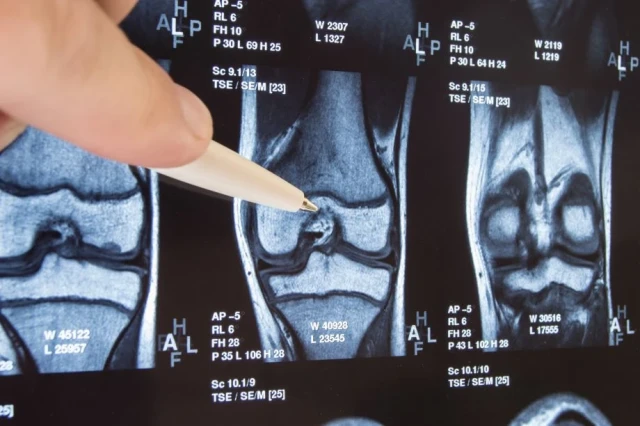
Healthy articular (joint) cartilage cushions our joints and ensures they can bend and straighten fluidly and without pain. What causes cartilage damage and how can you prevent it from happening?
Read More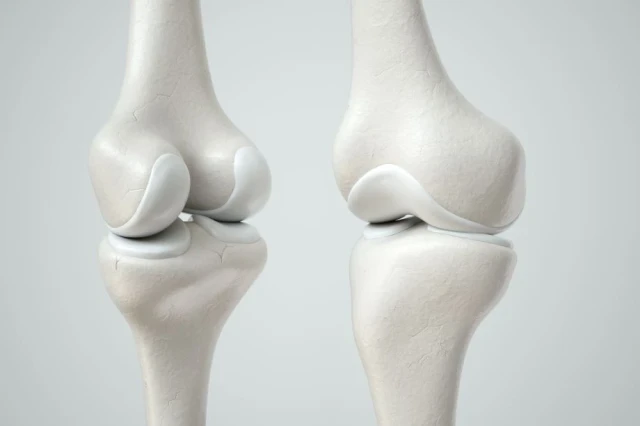
We often hear about the importance of cartilage to protect our joints. But what exactly is cartilage, and how does it keep our joints healthy?
Read More
Every day people injure the cartilage in their knees, shoulders and other joints.
Watch Video