


Orthopedic conditions can affect quality of life in many ways, from limiting movement to causing persistent discomfort that makes daily activities more challenging. As healthcare providers continue to explore tools that support natural healing, one option that has grown in popularity is therapeutic laser technology. The Multi Radiance Medical Laser uses specific wavelengths of light to encourage tissue repair, reduce discomfort, and improve circulation in targeted areas of the body.
This non-invasive technology has been used in orthopedic, sports medicine, and outpatient clinical settings for many years. Patients often appreciate that it offers a drug free, surgery free way to support healing. If you have been recommended laser therapy or are curious about how it works, this guide explains what the Multi Radiance Medical Laser is, how it functions, what conditions it can help with, and what to expect from treatment.
What Is Multi Radiance Medical Laser Therapy
Multi Radiance Medical Laser therapy is a form of photobiomodulation. This means it uses light to influence cellular behavior in a way that supports healing. The device delivers concentrated wavelengths of light that penetrate the skin and interact with the underlying tissues. This process encourages cellular energy production, improves circulation, and creates a more optimal environment for healing.
The technology is cleared by the FDA for the temporary relief of muscle and joint pain, muscle spasms, arthritis related discomfort, and stiffness. It is also approved to temporarily increase local blood circulation when heat is indicated.
Because the treatment is non-invasive and does not require medication, it can be a helpful option for patients looking for supportive care that aligns with a conservative orthopedic approach.
How the Laser Works at the Cellular Level
The Multi Radiance Medical Laser uses a combination of wavelengths that are designed to reach different tissue depths. When the device is applied directly to the skin, the light energy travels into the tissue and is absorbed by cells responsible for repair and regeneration.
One of the key effects is an increase in ATP production. ATP is the energy source used by cells to function effectively, especially during the healing process. When injured or inflamed tissues receive this boost in energy, the body can more efficiently repair muscle fibers, tendons, ligaments, and nerves.
Laser therapy can also influence how the body processes pain signals. Light energy affects the receptors that communicate discomfort to the brain. As a result, many patients experience short term relief after treatment. Improved circulation is another important outcome. When blood flow increases, oxygen and nutrients reach the injured area more efficiently, which supports recovery.
Many people compare the process to the way sunlight supports plant growth. While the mechanisms are different, the concept is the same. Light gives cells what they need to function more effectively.
Safety of Multi Radiance Medical Laser Technology
The Multi Radiance Medical Laser is FDA cleared and has been widely used across the United States and internationally for more than two decades. It has been adopted in orthopedic clinics, rehabilitation settings, athletic programs, and outpatient practices due to its strong safety profile and ease of application.
Because the laser is non-invasive and does not require the use of medication, it is considered a low risk treatment option. There are no known long term negative side effects when administered by trained professionals. Patients typically do not experience discomfort during treatment. Some report a sensation of warmth or relaxation in the targeted area.
The FDA has classified these devices for temporary relief of musculoskeletal pain and improved circulation, meaning they are intended to support symptoms rather than replace other necessary medical care. Your provider will determine whether laser therapy is appropriate based on your condition and overall health.
Conditions That May Improve With Laser Therapy
Laser therapy can be used to support recovery from a wide range of orthopedic and musculoskeletal conditions. Its ability to reduce inflammation, improve circulation, and influence cellular repair makes it applicable in many situations.
Conditions that often respond well to Multi Radiance Medical Laser therapy include:
- Back and neck pain
- Arthritis related discomfort
- Muscle strain
- Muscle spasms
- Tendonitis and tendon related injuries
- Soft tissue injuries
- Elbow or shoulder pain
- Knee pain
- Neuromas or pinched nerves
- Nerve related pain such as peripheral neuropathies
- Post surgical discomfort
- Swelling or edema
These conditions often share common factors such as inflammation, restricted blood flow, or irritated nerve pathways. Laser therapy targets these biological processes and encourages the body to begin repairing itself more efficiently.
Some patients experience noticeable relief after their first few sessions. Others may require additional treatments depending on the severity and duration of their symptoms.
Benefits of Multi Radiance Medical Laser Therapy
Patients and providers value laser therapy for several reasons. It is easy to administer, safe for many individuals, and can be tailored to the condition being treated. Some of the most common benefits include:
- Non-invasive application
- No downtime after treatment
- Safe and well tolerated
- No sedation or medication required
- Can reduce discomfort and muscle stiffness
- Helps improve local blood circulation
- Encourages tissue repair
- Provides an alternative for people who prefer not to rely solely on medication
- Cost effective compared to more advanced interventions
Laser therapy is often used as part of a broader treatment plan. For example, a provider may recommend activity modification, stretching, strength building, bracing, or injections. Laser therapy can support these other recommendations by reducing discomfort and inflammation, which may help patients engage more comfortably in their overall recovery plan.
What to Expect During a Laser Therapy Session
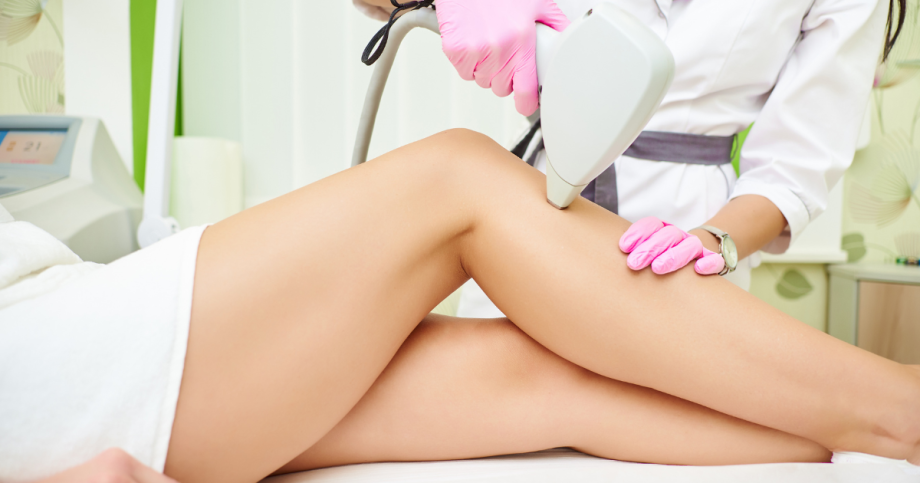
A typical treatment session is quick and straightforward. The provider places the device directly on the skin in the area being treated. The light is delivered in a controlled manner that ensures the target tissues receive adequate coverage.
Most sessions take only a few minutes. You may feel a mild warmth or simply a neutral sensation. It should not be painful. Providers aim for thorough tissue saturation, which means ensuring that the light energy reaches as much of the affected area as possible.
After treatment, many patients report feeling more relaxed or experiencing a decrease in discomfort. There is no downtime, and you can return to daily activities immediately.
The number of sessions recommended varies based on the condition. Many individuals notice results within two to five treatments, although some benefit from ongoing sessions depending on the nature of the injury or level of inflammation.
How Laser Therapy Fits Into Orthopedic Care
Orthopedic care focuses on restoring function, reducing discomfort, and improving mobility. Laser therapy supports these goals by addressing inflammation and encouraging tissue repair in a non-invasive manner. Whether used for acute injuries, chronic conditions, or post surgical recovery, it can be an effective tool that complements your provider’s overall treatment strategy.
Providers often incorporate laser therapy during flare ups, after an injury, or during the healing process following surgery. Because the treatment is safe and well tolerated, it can be used at multiple stages of recovery to maintain progress or manage symptoms.
Communication with your provider is key. They can help set expectations, explain how laser therapy fits into your individual care plan, and recommend the ideal frequency of treatment.
Supporting Your Healing With Evidence Based Light Technology
Multi Radiance Medical Laser therapy gives patients a non-invasive and scientifically supported option for managing musculoskeletal discomfort and encouraging tissue healing. By enhancing the body’s natural processes with targeted wavelengths of light, it offers a gentle but effective way to support recovery from many common orthopedic conditions.
If you are considering laser therapy or want to explore whether it may be right for your needs, discuss with your orthopedic specialist. Together, you can determine the best approach for your health, mobility, and long term wellness goals.
Frequently Asked Questions
How long does a Multi Radiance Medical Laser treatment take?
Most treatment sessions take only a few minutes. The laser is applied directly to the skin and delivers focused light energy to the targeted area. There is no downtime, and you can return to normal activities immediately after your session.
Is Multi Radiance Medical Laser therapy painful or uncomfortable?
Laser therapy is generally well tolerated and non-invasive. Patients typically feel either mild warmth or no sensation at all. The treatment should not be painful, and many people find it relaxing.
How many sessions will I need to see results?
Every condition is different, but many patients notice improvement within two to five sessions. Your provider will recommend a personalized treatment plan based on the severity of your symptoms and your overall healing goals.
Back