


Whether you are a competitive athlete, weekend warrior, or active student, your body is your greatest asset. When pain, injury, or limited mobility starts interfering with performance, an orthopedic evaluation can be a turning point. But many athletes walk into these appointments unsure of what to ask or how to advocate for their long-term health.
An orthopedic evaluation is more than a diagnosis. It is an opportunity to understand your injury, protect your future performance, and build a recovery plan that aligns with your sport and goals. Asking the right questions can make all the difference between returning stronger or risking reinjury.
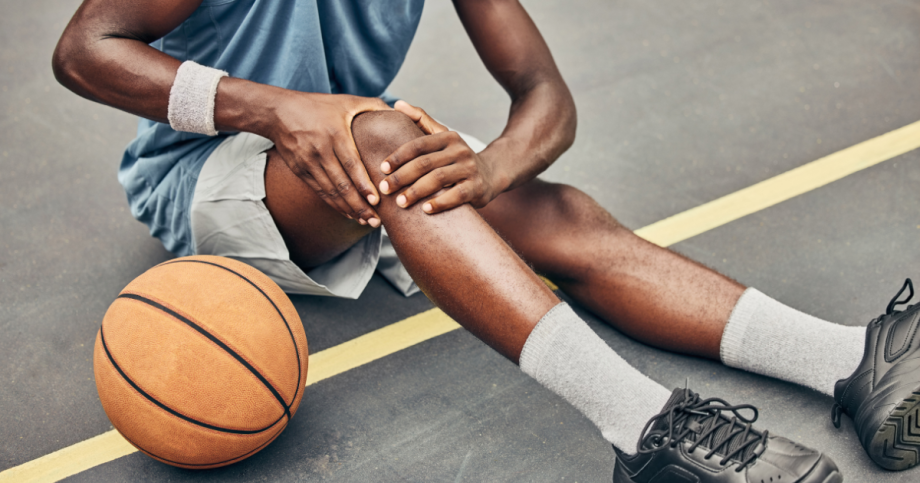
Here is what every athlete should ask during an orthopedic evaluation and why it matters.
Why Asking the Right Questions Matters for Athletes
Athletes place unique demands on their bodies. Repetitive motion, high-impact training, and competitive schedules increase the risk of both acute injuries and overuse conditions. An orthopedic specialist understands these demands, but only you can fully communicate how your sport, position, and training load affect your body.
By asking informed questions, you can:
- Gain clarity about your injury and recovery timeline
- Avoid unnecessary setbacks or rushed returns to play
- Understand treatment options beyond rest or surgery
- Take an active role in your rehabilitation and prevention plan
An engaged athlete is more likely to heal properly and return to peak performance.
What Exactly Is My Diagnosis and What Caused It?
Start with clarity. Ask your orthopedic provider to explain your diagnosis in clear, understandable terms. Knowing the name of your condition is helpful, but understanding what is happening inside your body is essential.
Helpful follow-up questions include:
- Is this an acute injury or an overuse condition?
- What structures are involved, such as muscles, tendons, ligaments, cartilage, or bone?
- Was this caused by trauma, training volume, biomechanics, or technique?
Understanding the root cause helps prevent the same issue from coming back.
How Severe Is the Injury and Is It Stable?
Not all injuries are equal. Some conditions allow continued activity with modifications, while others require immediate rest or intervention.
Ask:
- How severe is this injury on a mild to severe scale?
- Is the injury stable or at risk of worsening?
- What happens if I continue training or competing right now?
This information helps you make informed decisions about short-term participation and long-term health.
What Treatment Options Are Available?
Orthopedic care often includes more than one path forward. Ask about all available treatment options and what they mean for your recovery.
These may include:
- Physical therapy
- Activity modification
- Bracing or supportive devices
- Injections
- Minimally invasive procedures
- Surgical intervention if necessary
Be sure to ask which treatments are most appropriate for athletes and which are designed to support a return to sport.
Will I Need Imaging or Additional Testing?
Imaging can play an important role in confirming a diagnosis or guiding treatment. Ask whether X-rays, MRI, ultrasound, or other tests are needed.
Questions to ask:
- What imaging is necessary and why?
- What will these results help determine?
- Will imaging change my treatment plan?
Understanding the purpose of testing helps you stay engaged in the diagnostic process.
What Does Recovery Look Like and How Long Will It Take?
Recovery timelines are one of the most important topics for athletes. Be clear about expectations.
Ask:
- How long does recovery typically take for this injury?
- What does each phase of recovery involve?
- When can I return to training and competition?
Recovery is rarely linear. Understanding potential setbacks or plateaus helps manage expectations and motivation.
What Activities Should I Avoid Right Now?
Knowing what not to do is just as important as knowing what to do.
Ask your provider:
- Which movements or activities should I avoid?
- Can I cross-train or modify workouts safely?
- Are there warning signs that mean I should stop activity immediately?
This guidance helps you stay active while protecting the healing process.
How Can I Prevent This Injury from Happening Again?
Prevention is a major priority for athletes. Ask what steps you can take once you recover to reduce future risk.
This may include:
- Strengthening specific muscle groups
- Improving flexibility or mobility
- Addressing movement patterns or technique
- Adjusting training volume or recovery habits
Preventive care helps athletes stay competitive and consistent.
Are There Sport-Specific Considerations I Should Know About?
Each sport places unique stress on the body. Make sure your provider understands your sport, position, and level of competition.
Ask:
- How does this injury affect athletes in my sport?
- Are there sport-specific risks during recovery?
- Should I make temporary or permanent adjustments to training?
This tailored approach ensures care aligns with your athletic demands.
When Should I Follow Up or Seek Further Care?
Clear follow-up plans keep recovery on track.
Ask:
- When should I schedule a follow-up appointment?
- What symptoms should prompt me to return sooner?
- How will progress be measured over time?
Knowing when to check back helps prevent minor issues from becoming major setbacks.
The Value of Choosing the Right Orthopedic Partner
Athletes need more than basic injury care. They need providers who understand performance, recovery, and prevention. An orthopedic evaluation should feel collaborative, informative, and focused on both short-term relief and long-term success.
Choosing an experienced orthopedic team gives athletes the confidence to ask questions, understand options, and move forward with a clear plan.
Take the Next Step With OrthoCarolina
If you are an athlete dealing with pain, injury, or limited performance, the right orthopedic evaluation can make all the difference. OrthoCarolina provides expert orthopedic care tailored to athletes at every level, from diagnosis to recovery and return to play.
Schedule an appointment with OrthoCarolina or walk in to your local clinic today to schedule an orthopedic evaluation and take the next step toward stronger, healthier movement.
Frequently Asked Questions
How should athletes prepare for an orthopedic evaluation?
Athletes should bring details about their symptoms, training schedule, recent changes in activity, and any previous injuries. Wearing athletic clothing can also help with movement assessments.
Do athletes always need to stop playing after an orthopedic evaluation?
Not always. Some injuries allow continued participation with modifications, while others require rest. Your orthopedic specialist will guide you based on injury severity and risk.
Can orthopedic care help improve athletic performance?
Yes. Orthopedic evaluations can identify movement issues, muscle imbalances, or biomechanical concerns that may be limiting performance or increasing injury risk.
Back