


A little tingling in your hands after sleeping awkwardly is usually nothing to worry about. However, when numbness or pins and needles sensations become frequent, persistent, or painful, it may be a sign of something more serious.
For many people, numbness in the hands can interfere with work, sleep, and daily activities, making it harder to grip objects, type, or maintain fine motor control.
Understanding when numbness or tingling crosses the line from a temporary annoyance to a medical concern is key to protecting nerve health and preventing long-term damage.

What Causes Numbness or Tingling in the Hands?
Numbness and tingling often point to nerve involvement. Nerves carry signals between your brain and body, and when they are irritated, compressed, or damaged, those signals can become distorted or interrupted.
Common causes include:
- Compressed or pinched nerves
- Repetitive strain or overuse
- Poor posture affecting the neck or shoulders
- Carpal tunnel syndrome
- Cervical spine issues
- Diabetes or circulation problems
- Previous injuries or trauma
While some causes are temporary, others require medical evaluation and treatment to prevent worsening symptoms.
When Numbness in Hands Should Not Be Ignored
Occasional tingling that resolves quickly is usually harmless. However, numbness in the hands should be evaluated if it:
- Persists for days or weeks
- Wakes you up at night
- Worsens with certain movements or activities
- Occurs along with weakness or loss of coordination
- Affects only one hand consistently
- Is accompanied by neck, shoulder, or arm pain
These signs may indicate a compressed nerve or an underlying orthopedic condition that needs attention.
Understanding Compressed Nerves
A compressed nerve occurs when surrounding tissues such as muscles, tendons, bones, or discs place excessive pressure on a nerve. This pressure disrupts normal nerve signaling, leading to symptoms like numbness, tingling, burning sensations, or pain.
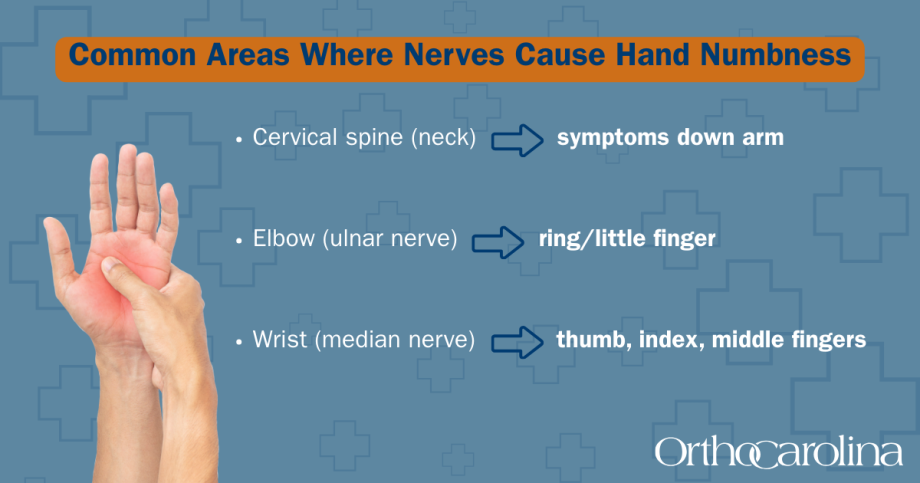
In the hands, compressed nerves commonly occur in:
- The wrist, as seen in carpal tunnel syndrome
- The elbow, affecting the ulnar nerve
- The neck, where cervical spine issues can cause symptoms down the arm and into the hands
Identifying the location of nerve compression is critical for effective treatment.
How Long Does a Compressed Nerve Take to Heal?
One of the most common questions patients ask is how long does a compressed nerve take to heal. The answer depends on several factors, including the cause, severity, and how quickly treatment begins.
In mild cases, symptoms may improve within a few days to a few weeks with rest, activity modification, and conservative care. Moderate cases may take several weeks to a few months, especially if physical therapy or bracing is required. Severe or long-standing nerve compression may take months to heal and, in some cases, may require advanced treatments or surgical intervention.
Early evaluation and treatment often lead to faster recovery and better outcomes.
Conditions Commonly Linked to Numbness in Hands
Several orthopedic and nerve-related conditions can cause hand numbness and tingling.
Carpal Tunnel Syndrome
Carpal tunnel syndrome occurs when the median nerve is compressed at the wrist. Symptoms often include numbness, tingling, or weakness in the thumb, index, and middle fingers, especially at night or during repetitive tasks.
Cervical Radiculopathy
Nerve compression in the neck can cause symptoms that travel down the arm into the hand. This may be accompanied by neck stiffness, shoulder pain, or reduced range of motion.
Cubital Tunnel Syndrome
This condition affects the ulnar nerve at the elbow and often causes numbness or tingling in the ring and little fingers.
Overuse and Repetitive Strain
Repetitive motions from work, sports, or daily activities can irritate nerves over time, leading to chronic symptoms if left untreated.
Why Early Orthopedic Evaluation Matters
Delaying care when numbness in the hands becomes persistent can increase the risk of nerve damage. Early orthopedic evaluation helps identify the source of the problem and determine the best treatment plan.
An evaluation may include:
- A detailed medical history and symptom review
- Physical examination of the neck, shoulder, arm, and hand
- Imaging studies if needed
- Nerve testing to assess function
Prompt diagnosis helps prevent progression and supports faster healing.
Treatment Options for Hand Numbness and Tingling
Treatment depends on the cause and severity of symptoms. Many patients find relief through non-surgical approaches.
Common treatments include:
- Activity modification and ergonomic adjustments
- Bracing or splinting to reduce nerve pressure
- Anti-inflammatory medications or injections
- Guided rehabilitation programs
When conservative treatments are not effective, advanced interventions may be considered to relieve nerve compression.
Preventing Future Nerve Issues
Once symptoms improve, prevention becomes an important part of long-term care. Maintaining proper posture, taking breaks from repetitive tasks, and strengthening supporting muscles can reduce the risk of recurrence.
Athletes and active individuals may also benefit from sport-specific training and conditioning programs designed to protect nerve health and joint stability.
When to Seek Orthopedic Care
You should seek orthopedic care if numbness or tingling:
- Does not improve with rest
- Continues to worsen
- Interferes with sleep or daily activities
- Is accompanied by pain, weakness, or loss of coordination
Ignoring these symptoms can lead to prolonged recovery or permanent nerve damage.
Take the Next Step With OrthoCarolina
If numbness or tingling in your hands is affecting your quality of life, it may be more than just an annoyance. OrthoCarolina offers expert orthopedic evaluations to identify the cause of nerve-related symptoms and create personalized treatment plans.
Contact OrthoCarolina today to get answers, start treatment, and protect your long-term nerve health.
Frequently Asked Questions
How long does numbness in hands usually last?
Temporary numbness may resolve within minutes or hours. Persistent numbness lasting days or weeks should be evaluated by an orthopedic specialist.
How long does a compressed nerve take to heal without surgery?
Many compressed nerves improve within weeks to a few months with conservative care. Recovery time varies based on severity and treatment.
Can numbness in hands go away on its own?
Mild cases may improve with rest and activity changes, but ongoing or worsening symptoms should not be ignored.
Back