
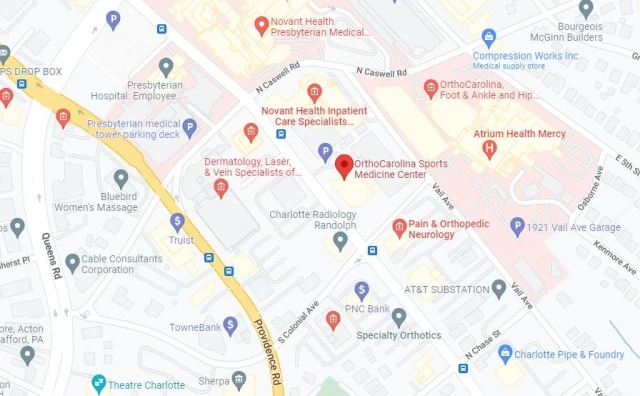
1915 Randolph Rd.
2nd Floor
Charlotte, NC 28207


Third Thursday of Each Month (8 AM-12 PM)
1915 Randolph Rd.
2nd Floor
Charlotte, NC 28207
Specialized Care for Brachial Plexus Injuries and Upper Extremity Paralysis
At OrthoCarolina, our Brachial Plexus and Limb Paralysis Center provides advanced, multidisciplinary care for patients with brachial plexus injuries, peripheral nerve damage, and upper extremity paralysis affecting the shoulder, arm, forearm, and hand.
These complex nerve injuries can significantly impact movement, strength, and sensation. Our team specializes in restoring upper extremity function through advanced nerve reconstruction, tendon transfer surgery, microsurgical techniques, and coordinated rehabilitation.
As one of the only private practice brachial plexus specialty clinics in the United States, we provide nationally recognized expertise in both traumatic and birth-related nerve injuries.
What Is a Brachial Plexus Injury?
The brachial plexus is a network of nerves that controls movement and sensation in the shoulder, arm, and hand. A brachial plexus injury occurs when these nerves are stretched, compressed, or torn, leading to weakness, loss of sensation, or paralysis of the upper extremity.
Injuries range from temporary nerve dysfunction to complete loss of arm or hand function.
Symptoms of Brachial Plexus and Nerve Injuries
Patients with brachial plexus injuries may experience:
- Weakness in the shoulder, arm, or hand
- Partial or complete arm paralysis
- Loss of sensation or numbness
- Burning or neuropathic nerve pain
- Inability to lift or control the arm
- Muscle atrophy or loss of muscle control
- Shoulder instability or dysfunction
Causes of Brachial Plexus Injuries
Brachial plexus and limb paralysis can result from a variety of conditions, including:
- Motor vehicle or motorcycle accidents
- Sports-related trauma or high-impact injury
- Falls or penetrating trauma
- Stretch injuries to the neck and shoulder
- Birth-related brachial plexus injuries
- Tumors or mass compression of nerves
- Cervical spine or shoulder trauma
Treatment is highly individualized and depends on the severity, location, and timing of the nerve injury.
Non-Surgical Treatment
In select cases, nerve function may improve with non-operative care, including:
- Observation and diagnostic monitoring
- Occupational therapy
- Neuromuscular retraining
- Pain management for nerve-related pain
- Functional bracing and adaptive support
Surgical Treatment
When nerve recovery is limited or absent, advanced surgical reconstruction may be recommended:
- Nerve transfers to restore motor function
- Nerve grafting to repair damaged nerve pathways
- Tendon transfers to restore movement
- Free functional muscle transfer procedures
- Brachial plexus neurolysis (nerve decompression)
- Intraoperative nerve monitoring and microsurgery
These procedures are designed to restore movement, improve strength, reduce pain, and maximize functional recovery.
Recovery and Rehabilitation
Recovery from brachial plexus injury is a long-term process that often involves coordinated rehabilitation and therapy.
Our team works closely with physical therapists and occupational therapists to develop individualized recovery plans focused on:
- Regaining strength and movement
- Improving coordination and motor control
- Retraining nerve-muscle connections
- Managing nerve pain
- Supporting return to daily activities and wor
Recovery timelines vary depending on injury severity and surgical intervention.
Patients may contact our team directly or request a consultation for evaluation. To make an appointment, email bpc@orthocarolina.com
Early evaluation is important for determining the best treatment approach and optimizing recovery potential.
Our physicians are internationally recognized leaders in brachial plexus and peripheral nerve surgery, contributing to advancements in:
- Peer-reviewed research in nerve reconstruction and upper extremity paralysis
- Development of advanced nerve transfer and reconstruction techniques
- Functional restoration surgery innovation
- National and international education in microsurgical approaches
NEW PATIENTS
Schedule An Appointment
CURRENT PATIENTS
Sign Into MyOrthoCarolina

NEW PATIENTS
Schedule An Appointment
CURRENT PATIENTS
Sign Into MyOrthoCarolina

NEW PATIENTS
Schedule An Appointment
CURRENT PATIENTS
Sign Into MyOrthoCarolina

NEW PATIENTS
Schedule An Appointment
CURRENT PATIENTS
Sign Into MyOrthoCarolina
Brachial Plexus and Limb Paralysis Center Related Media
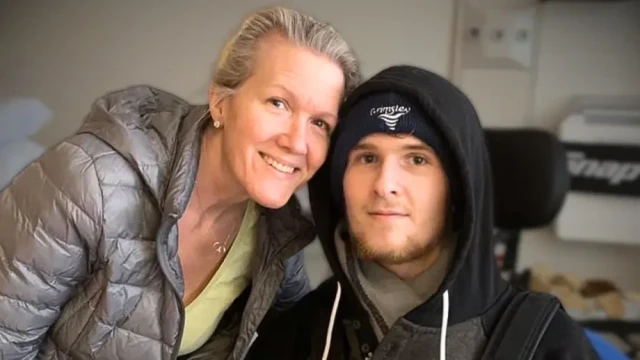
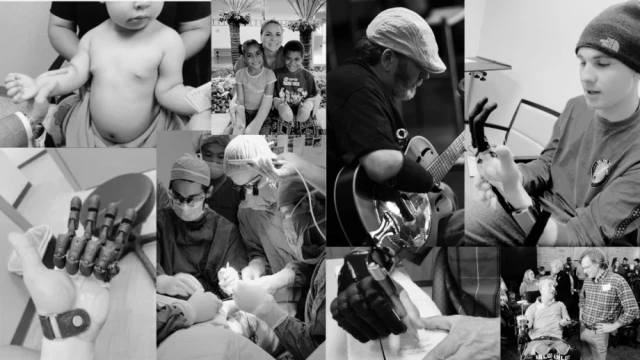
Discover how OrthoCarolina's multidisciplinary approach provides comprehensive care for brachial plexus injuries, limb paralysis, and congenital hand differences. From innovative treatments to personalized rehabilitation, we're committed to enhancing physical, emotional, and psychological well-being.
Read More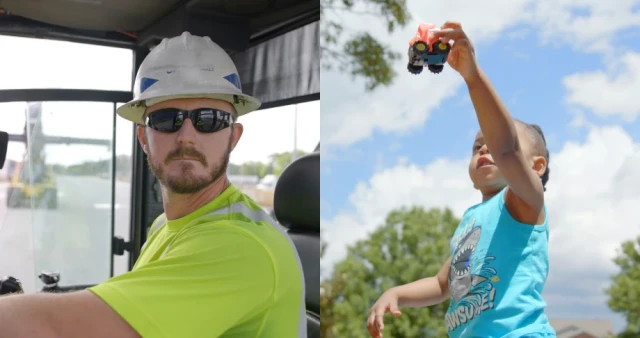
In this episode, you’ll meet two patients on the road to recovery from severe brachial plexus injuries and the care team who helped them get back to doing the things they love to do.
Brachial plexus injuries can be life-changing events, often resulting in partial or complete paralysis of the arm, loss of function and challenging emotional effects.
Watch Video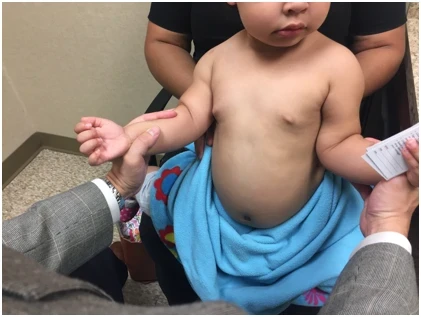
The brachial plexus is a network of nerves that arise from the spinal cord to and lead to the peripheral nerves that give movement and feeling to the shoulder, arm and hand. Check out our clinic overview.
Read More