


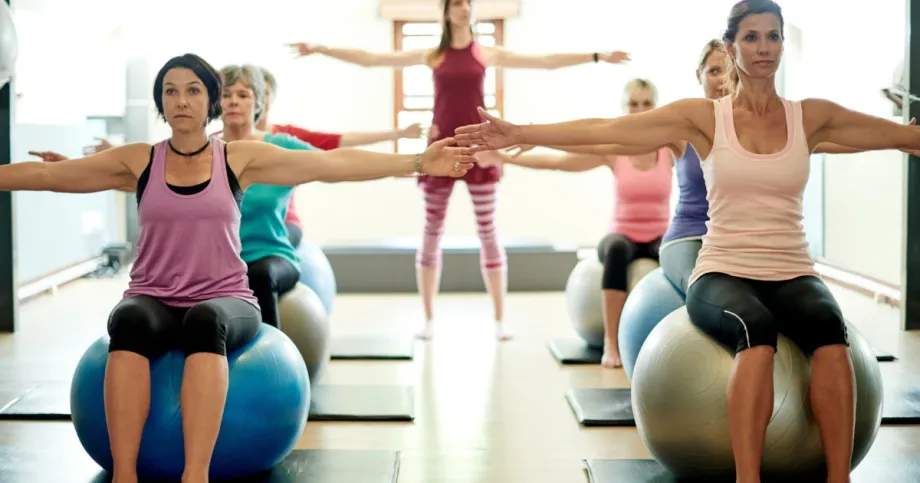
Staying active does not have to mean pushing through an intense workout or pounding the pavement every day. Low-impact exercise offers another way to build strength, improve endurance, and support joint health without the repeated jarring movements associated with some high-impact activities.
Whether you are getting back into a fitness routine, managing joint discomfort, or looking for ways to stay active as you age, low-impact workouts can be a valuable part of your routine. And low impact does not have to mean low intensity. With the right activities and a plan that fits your fitness level, you can still challenge your body and work toward your goals.
What Is Low-Impact Exercise?
Low-impact exercise includes physical activities that place less repetitive stress on your joints than many high-impact workouts. Walking, swimming, cycling, and controlled strength training are common examples.
High-impact activities, such as running, jumping, and some plyometric exercises, involve greater impact forces. These movements can be beneficial for fitness and sports performance, but they may not be appropriate for everyone or for every stage of recovery.
Low-impact exercise can be especially useful for people who want to remain active while managing joint discomfort, returning to exercise after an injury, or building a consistent fitness routine. The best option depends on your health, mobility, goals, and any guidance from your healthcare provider.
5 Benefits of Low-Impact Exercise
It Can Be Easier on Your Joints
Repeated impact can place stress on joints, particularly when you increase your activity level too quickly or do not allow enough time for recovery. Low-impact activities can help you stay active while reducing some of that impact.
For example, swimming and water aerobics allow you to move against water resistance while buoyancy helps support your body weight. Cycling provides cardiovascular exercise without the repeated foot strikes associated with running.
Low impact does not mean zero stress, and no activity is completely risk-free. Choosing movements that feel comfortable and adjusting your routine when needed can help you exercise more consistently.
It Helps Build Strength and Endurance
You do not need jumping exercises or all-out workouts to improve your fitness. Walking, cycling, swimming, and strength training can help build cardiovascular endurance and muscular strength.
Stronger muscles also help support the joints involved in everyday movement. Exercises that strengthen the muscles around the knees, hips, shoulders, and other joints can be an important part of maintaining mobility and function.
Start with a level of resistance or intensity you can manage with good form. As your fitness improves, you can gradually increase the duration, resistance, or difficulty of your workouts.
It Supports Mobility and Flexibility
Movement helps you practice the range of motion needed for everyday activities, from climbing stairs to reaching overhead. Activities such as yoga, tai chi, and Pilates can incorporate balance, flexibility, coordination, and controlled movement.
These exercises may be helpful for people who want to improve how they move and feel more confident during daily activities. However, certain positions may not be suitable for every joint condition or injury. Modify movements as needed and seek professional guidance if an exercise causes pain.
It Can Help You Stay Active During Recovery
Returning to exercise after an injury or orthopedic procedure often requires a gradual approach. Depending on the injury and stage of recovery, a healthcare provider or physical therapist may recommend lower-impact activities as part of your rehabilitation plan.
A person recovering from certain lower-body injuries may be able to use a stationary bike before returning to running. Someone with joint discomfort may benefit from water-based exercise or a modified strength routine.
The right activity and timing depend on the specific injury or procedure. Do not assume that a workout is safe simply because it is low impact. Follow your care team's recommendations, especially when recovering from surgery or a significant injury.
It Makes It Easier to Mix Up Your Routine
Doing the same workout repeatedly can place similar demands on the same muscles and joints. Varying your activities gives you different ways to work on strength, endurance, balance, and flexibility.
A balanced routine might include walking for cardiovascular fitness, strength training to build muscle, and yoga or tai chi for balance and mobility. Variety can also make exercise more enjoyable, helping you find activities you want to keep doing.

10 Low-Impact Exercises to Try
Looking for ways to add more movement to your week? Consider these options:
- Walking: An accessible way to build endurance. Adjust your pace, distance, and terrain to match your fitness level.
- Cycling: Indoor cycling or outdoor biking provides cardiovascular exercise with less repetitive impact than running.
- Swimming: Water supports your body while you work on endurance and full-body movement.
- Water aerobics: Water resistance provides a way to exercise while limiting some of the load on weight-bearing joints.
- Elliptical training: Offers a cardiovascular workout without the repeated foot strikes of running.
- Rowing: Works multiple muscle groups and builds endurance when performed with appropriate technique.
- Strength training: Controlled resistance exercises can build muscle and support joint function.
- Yoga: Modified poses can help develop flexibility, balance, and body awareness.
- Tai chi: Uses slow, controlled movements that can support balance and coordination.
- Pilates: Focuses on controlled movement, core strength, and body awareness.
Hiking on suitable terrain and using a stair-climbing machine may also fit some low-impact routines, depending on your fitness level and joint symptoms. If an activity causes pain or aggravates an existing condition, stop and consider a modification or another option.
How to Start a Low-Impact Exercise Routine
You do not need to overhaul your workout schedule to get started. A few practical changes can help you build a routine that fits your needs.
- Start gradually. Begin with manageable sessions and increase your activity over time rather than making a sudden jump in duration or intensity.
- Choose activities you enjoy. Walking with a friend, cycling indoors, or taking a water aerobics class can make it easier to stay consistent.
- Include strength and balance. Cardiovascular exercise is important, but strength, flexibility, and balance also contribute to overall fitness.
- Pay attention to your body's signals. Muscle fatigue can be normal, but sharp, worsening, or persistent joint pain should not be ignored.
- Make recovery part of the plan. Rest and appropriate recovery between demanding sessions can help you manage training load and avoid doing too much too soon.
If you have an existing joint condition, a recent injury, or restrictions following surgery, ask your healthcare provider which activities are appropriate before changing your routine.
When Should You See an Orthopedic Specialist?
Exercise should support your health, not leave you dealing with pain that keeps returning. If joint pain persists, worsens with activity, limits your normal movement, or repeatedly interrupts your workouts, an orthopedic specialist can help evaluate the cause.
You may need to modify your activity, address a movement issue, or receive treatment for an underlying condition. A physical therapist may also help you build strength, improve mobility, and return to exercise safely.
Seek prompt medical evaluation for severe pain, significant swelling, an inability to bear weight, or a sudden injury that affects how you use a joint.
Stay Active With the Right Approach
You do not have to choose between challenging yourself and being mindful of your joints. Low-impact exercise can help you work toward better strength, endurance, balance, and mobility while giving you options to adjust your routine as your needs change.
If joint pain or an injury is keeping you from the activities you enjoy, OrthoCarolina can help you understand your options and find a path forward.
Ready to get moving with less discomfort? Book an appointment quickly online with OrthoCarolina to discuss your orthopedic concerns and next steps.
Frequently Asked Questions
Is low-impact exercise good for joint health?
Low-impact exercise can help you maintain strength, mobility, and cardiovascular fitness while reducing the repetitive impact associated with some activities. The best exercises depend on your joint health, fitness level, and any existing injuries or medical conditions.
Can low-impact exercise help with knee pain?
Some people with knee pain find activities such as swimming, cycling, and walking more comfortable than high-impact exercise. However, the cause of knee pain matters, and not every activity is appropriate for every condition. Persistent or worsening pain should be evaluated by a healthcare professional.
Is low-impact exercise enough to build muscle?
Yes. Strength training with controlled movements and appropriate resistance can build muscle without requiring jumping or other high-impact movements. Gradually increasing resistance as your strength improves can help you continue making progress.
This article was originally published in 2017 and was last updated in October 2026.
Back