


Mowing the lawn might not seem like a workout, but for many people, it can quickly trigger hip pain, knee pain, or lingering joint discomfort that lasts long after the yard work is done. Between pushing heavy equipment, walking on uneven ground, twisting through tight turns, and repetitive movement, lawn care can place significant stress on the joints, especially if underlying arthritis, inflammation, or orthopedic issues are already present.
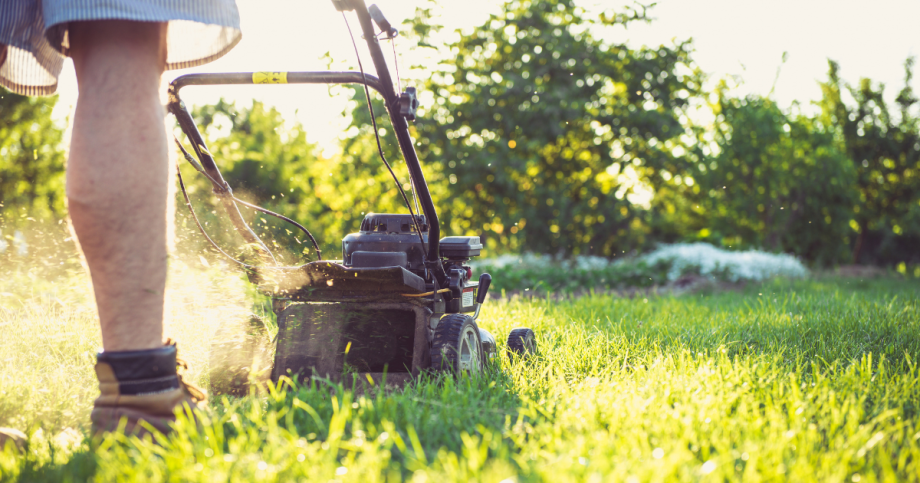
What often starts as mild soreness after yard work can gradually turn into persistent pain, stiffness, swelling, or limited mobility that begins affecting everyday activities beyond the lawn.
The good news is that joint pain during or after mowing is often manageable with the right approach. Understanding what is causing the discomfort, how to reduce strain on your joints, and when to seek orthopedic care can help prevent small issues from becoming more serious injuries.
Before pushing through the pain or avoiding outdoor activities altogether, here’s what to know about why mowing the lawn can aggravate your hips and knees and what you should do first to protect your joints and stay active.
Why Does Mowing the Lawn Cause Hip or Knee Pain?
Repetitive motion is a key factor. The constant back-and-forth movement places stress on the joints. Over time, this can lead to inflammation and pain.
Improper mowing posture can also add strain. Hunching over or pushing with undue force impacts joint alignment. This can cause the muscles and ligaments around the hips and knees to work harder.
Unfamiliar or uneven terrain also plays a role. Mowing on bumpy ground can affect your gait. This results in awkward movements that might increase the risk of pain.
Lastly, inadequate preparation for physical activity is common. Skipping warm-ups can leave your muscles tight and prone to injury.
By identifying these factors, you can take proactive steps to protect your joints. Proper techniques and preparation can make lawn mowing a pain-free task.
Immediate Steps to Take When You Feel Pain
Feeling hip or knee pain while mowing can be alarming. Knowing what to do first is crucial. Immediate action can prevent further injury and promote recovery.
Stop mowing as soon as you notice pain. Continuing could worsen the issue. Listen to your body and give it a chance to rest.
Find a comfortable position to sit or lie down. This reduces strain on the affected joint. You can also elevate the leg to help reduce swelling.
Apply ice to the painful area for relief. A 15 to 20-minute session can decrease inflammation and numb discomfort. Use a cloth to protect your skin from direct contact with the ice.
Consider taking an over-the-counter pain reliever if needed. Medicines like ibuprofen or acetaminophen can help manage mild pain.
These measures are important in addressing pain quickly. Taking control early can prevent minor discomfort from becoming a major issue.
At-Home Joint Pain Relief: RICE and Beyond
When you experience hip or knee pain from mowing, the RICE method can be your first line of defense. This involves Rest, Ice, Compression, and Elevation, which together help to reduce pain and inflammation.
Rest the affected joint to avoid further strain. This helps your body start the healing process by minimizing additional stress. Give your joints time to recover fully before resuming any physical activity.
Ice is crucial in controlling swelling and providing pain relief. Apply an ice pack wrapped in a cloth to the area for 15-20 minutes, several times a day. This can be especially effective in the first 48 hours after pain onset.
Compression and elevation work hand-in-hand to minimize swelling. Using a compression bandage can support the joint while keeping it elevated above heart level helps reduce fluid accumulation.
Beyond RICE, gentle stretching and light mobility exercises can aid recovery. These enhance circulation and maintain joint flexibility without over-exerting. Integrate relaxation techniques like deep breathing to decrease tension, supporting your body's healing efforts effectively.
Implement these measures to alleviate discomfort and support recovery from joint pain.
When to Seek Orthopedic Care
Sometimes, home remedies aren't enough. If hip or knee pain persists despite resting, it's time to consult a specialist. Prolonged discomfort can indicate an underlying issue needing professional assessment.
Notice how the pain affects your daily routines. If activities become challenging, reaching out to an orthopedic expert is essential. Early intervention can often prevent minor problems from escalating.
Certain symptoms should trigger immediate concern. Seek medical advice if you experience swelling that won't subside, joint instability, or difficulty bearing weight on the affected leg. These signs might indicate more serious conditions, like a tear or arthritis.
Pay attention to pain intensity and duration. A healthcare provider should evaluate severe or worsening pain lasting more than a week. They can guide you on treatment options tailored to your specific needs.
Key points for when to seek help:
- Persistent or worsening pain
- Swelling or instability in the joint
- Difficulty in daily activities
- Severe pain lasting over a week
Connecting with an orthopedic professional ensures you receive appropriate care, fostering effective recovery and long-term joint health.
Preventing Hip and Knee Pain While Mowing
Prevention is key in avoiding hip and knee pain during lawn work. Practicing proper techniques before grabbing the lawnmower can make all the difference.
Start by assessing your equipment. Ensure your lawnmower's handle is adjusted to a comfortable height to maintain good posture. Ergonomic adjustments can significantly reduce strain on your hips and knees.
Supportive footwear is vital. Shoes with adequate cushioning and arch support can minimize joint impact. This essential gear helps stabilize your movements and safeguard your joints.
Don't underestimate the power of a warm-up. Simple exercises and stretches prepare your muscles, improving flexibility and reducing stiffness. Even a short routine can greatly diminish injury risks.
Take regular breaks to pace yourself. Continuous mowing strains muscles and joints, so rest helps alleviate pressure. Hydrate during these breaks to keep muscles functioning optimally.
Consider using modern equipment designed to ease physical demands. Battery-powered mowers and self-propelled models can lessen the load on your body.
Best Practices for Safe Lawn Mowing
Practicing safe lawn mowing techniques can significantly reduce the risk of hip and knee pain. Start with a focus on posture. Keep your back straight and avoid hunching over the lawnmower. Good posture distributes the workload evenly across your body.
Choose the right mowing speed. Moving too quickly can strain muscles and lead to joint pain. A steady pace allows you to maintain control and prevent muscle fatigue.
Using the correct technique is essential for safe lawn mowing. When turning corners, pivot with your whole body instead of twisting at the waist. This reduces undue stress on your hips and knees.
Regular maintenance of your equipment is also crucial. A well-maintained lawnmower operates smoothly and requires less physical effort. Check blades, wheels, and handles to ensure everything is in working order.
By incorporating these practices, you can enjoy a healthier, less painful mowing experience while protecting your joints.
Exercises and Stretches to Support Joint Health
Supporting your hip and knee joints with regular exercise can make a big difference. Strengthening exercises help stabilize joints, reducing the chance of pain or injury. Focus on exercises that target the muscles supporting your hips and knees.
Squats and lunges are excellent for building strength in these areas. However, ensure correct form to avoid adding stress to the joints. Start slow and increase reps as you grow more comfortable.
Flexibility is just as important as strength. Stretching can help maintain a healthy range of motion in your joints. Gentle stretches after a warm-up or workout can prevent stiffness and improve circulation.
Incorporate these exercises and stretches into your routine:
- Squats for leg strength
- Lunges to target multiple muscle groups
- Hamstring stretches for flexibility
- Quadriceps stretches for front thigh muscles
Performing these exercises regularly, ideally a few times a week, can aid joint health and promote longevity in your physical activities. Investing time in your joint health now can pay off by reducing pain and enhancing mobility.
Lifestyle Tips for Long-Term Joint Pain Relief
Adopting a healthy lifestyle is key to managing joint pain. Simple changes can lead to long-term relief and improved joint health. Consistency in these habits is crucial.
Keeping a healthy weight reduces stress on your joints, especially the hips and knees. Choosing a balanced diet with anti-inflammatory foods can further support joint health. Nutrition plays a powerful role in managing inflammation and pain.
Staying active is another important strategy. Regular, low-impact exercise strengthens muscles without overburdening joints. Activities like swimming, cycling, or walking are excellent choices.
These small steps can make a significant impact on your joint well-being, empowering you to enjoy life with less pain.
Don’t Ignore Hip or Knee Pain After Yard Work
Occasional soreness after mowing the lawn can be normal, but persistent hip or knee pain is often a sign that your joints are under more stress than they can comfortably handle. Over time, repetitive strain, arthritis, inflammation, or underlying orthopedic conditions can continue to worsen if left untreated.
The good news is that early evaluation and the right treatment plan can help reduce pain, improve mobility, and prevent more serious joint issues down the road.
At OrthoCarolina, our orthopedic specialists evaluate and treat a wide range of hip and knee conditions using personalized treatment plans designed around your lifestyle, activity level, and recovery goals. If hip or knee pain is making everyday activities like mowing the lawn more difficult, book a consultation online today and get you back to feeling your best.
Frequently Asked Questions
Why does mowing the lawn cause hip or knee pain?
Mowing often involves repetitive walking, pushing, twisting, and uneven terrain, which can place added stress on the hips and knees. Existing arthritis, joint inflammation, muscle weakness, or prior injuries can make symptoms worse.
When should I see an orthopedic specialist for joint pain?
You should consider seeing an orthopedic specialist if hip or knee pain persists for more than a few days, worsens with activity, causes swelling or instability, or begins interfering with daily movement and activities.
Can hip or knee pain from yard work be treated without surgery?
Yes. Many cases of hip and knee pain improve with non-surgical treatments such as physical therapy, activity modification, anti-inflammatory treatments, strengthening exercises, injections, and personalized rehabilitation programs.
Back