


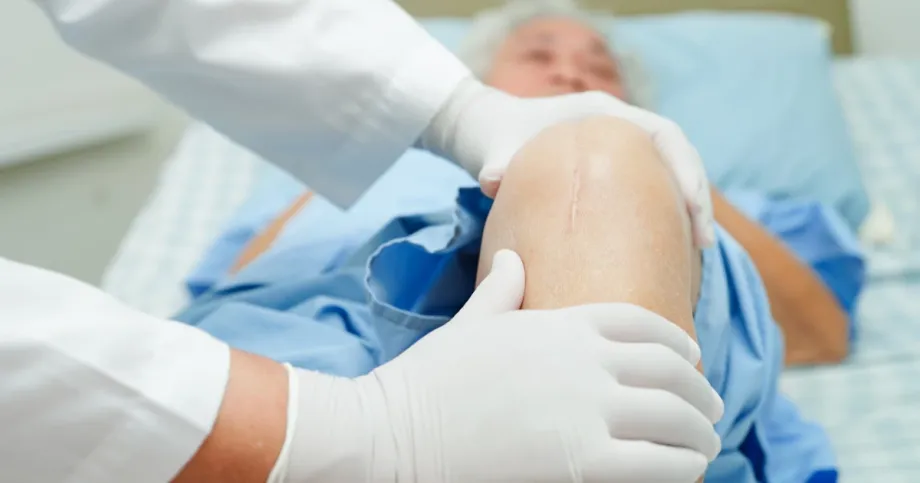
Knee pain can make everyday activities like walking, climbing stairs, and exercising more difficult. Sometimes, the problem is a small area of damaged cartilage. In other cases, cartilage has worn down across much of the knee joint, often because of osteoarthritis.
The right treatment depends on what is causing the pain, how much damage is present, and how the knee is functioning. Cartilage restoration and knee replacement address different types of knee damage, and understanding those differences can help you have a more informed conversation with an orthopedic specialist.
What Is the Difference Between Cartilage Restoration and Knee Replacement?
Cartilage restoration and knee replacement both aim to improve knee function and reduce pain, but they work in different ways.
Cartilage restoration refers to procedures designed to repair or restore damaged cartilage in a specific area of the knee. Depending on the injury and the patient's needs, treatment may involve stimulating new tissue growth or using specialized techniques to repair or replace damaged cartilage. These procedures are generally considered for people with a localized cartilage defect and otherwise relatively healthy knee structures.
Knee replacement is a surgical procedure that replaces damaged joint surfaces with artificial components. It is commonly recommended for people with advanced knee arthritis when cartilage has worn away more extensively and pain continues to interfere with daily life despite other treatments.
Neither option is right for everyone. The extent of cartilage damage, overall joint health, age, activity level, and treatment goals all factor into the decision.
Who Is a Candidate for Cartilage Restoration or Knee Replacement?
The type and extent of knee damage are important factors when determining which treatment may be appropriate.
Cartilage restoration
Cartilage restoration may be an option for people who have a specific area of cartilage damage rather than widespread arthritis. Candidates often have relatively healthy surrounding cartilage and joint structures.
An orthopedic specialist may evaluate the location and size of the damaged area, symptoms, activity level, and overall knee health before recommending a procedure. Not every cartilage injury requires surgery, and not every cartilage defect is suitable for restoration.
Knee replacement
Knee replacement may be recommended when advanced osteoarthritis or other joint damage causes persistent pain, stiffness, and difficulty with daily activities.
Many people first try nonsurgical treatments. When these options no longer provide enough relief, an orthopedic specialist can help determine whether knee replacement or another treatment makes sense based on the patient's symptoms, imaging, and goals.
What Nonsurgical Treatments Can Help With Knee Pain?
Surgery is not always the first step. Depending on the cause and severity of knee pain, nonsurgical treatments may help manage symptoms and improve mobility.
Options may include:
- Physical therapy: Exercises to improve strength, flexibility, stability, and range of motion.
- Activity modification: Adjusting activities that aggravate symptoms while maintaining movement as appropriate.
- Weight management: For some people, managing weight can reduce stress on the knee joint.
- Bracing or footwear changes: Certain supports or shoe modifications may help with comfort and function.
- Medication or injections: Depending on the diagnosis and medical history, a provider may recommend medication or an injection to help manage symptoms.
These treatments do not restore cartilage that has been lost, but they may help some people manage pain and maintain function. The best approach depends on the underlying condition.
What Are the Benefits and Limitations of Each Treatment?
Cartilage restoration may help address a localized cartilage defect while preserving more of the natural knee joint. However, it is not suitable for every type of damage, and recovery can involve activity restrictions and rehabilitation. Results vary based on the procedure, the extent of the injury, and individual factors.
Knee replacement can reduce pain and improve function for many people with advanced joint damage. It also involves replacing joint surfaces with artificial components, and recovery requires time, rehabilitation, and gradual progress toward daily activities.
Both treatments carry potential risks, as does any surgery. These may include infection, blood clots, stiffness, or persistent symptoms. The specific risks depend on the procedure and the patient's health.
How Long Does Recovery Take?
Recovery varies based on the procedure, the extent of the damage, overall health, and rehabilitation needs.
After cartilage restoration, patients may need to limit weight-bearing or certain activities while the treated area heals.
Recovery after knee replacement also involves physical therapy and gradually increasing activity. Many patients resume a range of everyday activities over the weeks and months following surgery, but progress differs from person to person.
Your orthopedic care team can explain the expected timeline, activity restrictions, and rehabilitation plan for your specific treatment.
How Do You Choose the Right Knee Treatment?
There is no single treatment that works best for every knee problem. A thorough evaluation helps identify the source of pain and determine which options may offer the most benefit.
When discussing treatment with an orthopedic specialist, consider asking:
- What is causing my knee pain?
- Is the cartilage damage localized or widespread?
- Could nonsurgical treatment help manage my symptoms?
- Am I a candidate for cartilage restoration, knee replacement, or another procedure?
- What would recovery and rehabilitation involve?
- How might each option affect my daily activities and long-term goals?
Understanding the benefits, limitations, and recovery expectations of each option can help you make a decision with your care team.
Explore Your Knee Treatment Options at OrthoCarolina
Knee pain does not look the same for everyone, and treatment should reflect your specific needs. Whether you are managing cartilage damage or exploring options for advanced knee arthritis, an orthopedic specialist can help you understand your diagnosis and discuss the next steps.
Ready to take the next step? Schedule an appointment with OrthoCarolina to discuss your knee pain and explore your treatment options.
Frequently Asked Questions
Can cartilage grow back in the knee without surgery?
Articular cartilage has limited ability to heal on its own because it has little direct blood supply. Some treatments may help manage symptoms, while certain procedures aim to repair or restore damaged cartilage. The appropriate approach depends on the type and extent of the damage.
Is cartilage restoration better than knee replacement?
Neither treatment is universally better. Cartilage restoration may be considered for selected patients with localized cartilage damage, while knee replacement is often used for more widespread joint damage and advanced arthritis. An orthopedic specialist can help determine which options fit your condition.
How do I know if I need a knee replacement?
Persistent knee pain, stiffness, and difficulty with daily activities may be signs that it is time to discuss additional treatment options, particularly if nonsurgical approaches have not provided enough relief. An orthopedic evaluation can help determine whether knee replacement or another treatment is appropriate.
Back