


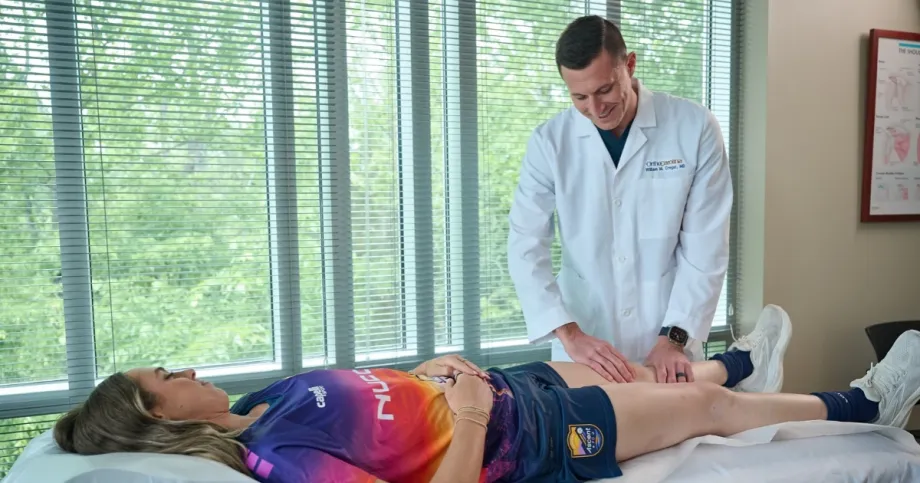
Whether you run, play basketball, hit the tennis court, or spend weekends on the ski slopes, staying active comes with some risk of injury. Different sports put different demands on your muscles, joints, and bones. Repetitive movements can lead to overuse injuries, while sudden changes in direction, collisions, and falls can cause more immediate damage.
The good news? A few smart habits can help reduce your risk. Here are common sports injuries by activity, practical prevention tips, and signs that it may be time to see an orthopedic specialist.
What Are the Most Common Sports Injuries?
Sports injuries often fall into two categories: acute injuries, which happen suddenly, and overuse injuries, which develop over time. Common examples include ankle sprains, muscle strains, fractures, tendon injuries, ligament tears, and concussions.
Knowing which injuries are more common in your sport can help you prepare, recognize warning signs, and make informed decisions about your training.
Running and Track: Knee, Foot, and Lower Leg Injuries
Running places repeated stress on the lower body. Increasing mileage too quickly, changing training intensity, or not allowing enough recovery can contribute to injuries such as shin splints, runner's knee, Achilles tendon problems, plantar fasciitis, and bone stress injuries.
How to reduce your risk:
- Increase mileage and intensity gradually instead of changing both at once.
- Strengthen your hips, calves, hamstrings, and core.
- Alternate harder workouts with easier sessions or rest days.
- Wear running shoes that fit well and suit your needs.
- Warm up before speed work and pay attention to persistent or worsening pain.
Soccer and Basketball: Ankle Sprains and Knee Injuries
Quick cuts, jumps, pivots, and sudden stops make soccer and basketball demanding on the ankles and knees. Common injuries include ankle sprains, muscle strains, knee ligament injuries, and, in some cases, concussions.
How to reduce your risk:
- Practice controlled landings and changes in direction.
- Build strength in the hips, thighs, and lower legs.
- Include balance, agility, and deceleration drills in training.
- Wear sport-appropriate shoes and protective equipment, including shin guards for soccer.
- Take time to warm up before practices and games.
Football, Hockey, and Lacrosse: Contact-Related Injuries
In collision and contact sports, tackles, checks, falls, and impacts can lead to shoulder injuries, sprains, fractures, muscle strains, and concussions. Protective equipment is essential, but it cannot prevent every injury.
How to reduce your risk:
- Use properly fitted helmets, pads, and other required protective gear.
- Follow the rules and practice safe contact techniques.
- Build strength and conditioning appropriate for your sport.
- Take suspected concussions seriously. Stop playing and get evaluated by a healthcare professional before returning to sports.
An athlete with a suspected concussion should not return to play the same day. Return to sports should follow appropriate medical guidance.
Baseball, Softball, Tennis, and Volleyball: Shoulder and Elbow Injuries
Throwing, serving, and hitting repeatedly can place stress on the shoulder, elbow, and wrist. Baseball and softball players may develop overuse injuries involving the rotator cuff, elbow tendons, or growth plates. Tennis and volleyball players may also experience shoulder pain, back strain, knee injuries, and ankle sprains.
How to reduce your risk:
- Focus on proper throwing, serving, and hitting mechanics.
- Build shoulder, core, and hip strength.
- Increase training volume gradually.
- Schedule rest between demanding practices and games.
- Do not ignore recurring shoulder or elbow pain, especially in young athletes.
Playing one sport year-round without adequate recovery can increase the risk of overuse injuries. Rest is an important part of training, not time wasted.
Skiing, Snowboarding, Cycling, and Skating: Injuries From Falls
Speed and falls create different injury risks for these activities. Skiers may experience knee ligament injuries, while snowboarders and skaters commonly injure their wrists and shoulders during falls. Cycling injuries can result from crashes or repetitive stress on the knees, neck, and hands.
How to reduce your risk:
- Wear a properly fitted helmet and sport-specific protective equipment.
- Check your equipment before heading out.
- Build skills gradually and stay within your ability level.
- Warm up before strenuous activity.
- Make sure your bike, skates, or other equipment fit properly.
How Can You Prevent Sports Injuries?
Although every sport has different demands, a few core habits can help you stay active and better prepared.
- Warm up first. Start with light movement, then progress to drills specific to your sport.
- Build strength and mobility. Strong muscles help support joints and control movement.
- Increase activity gradually. Sudden increases in training volume or intensity can contribute to overuse injuries.
- Get enough recovery. Rest, sleep, hydration, and appropriate nutrition support your body's ability to recover.
- Use the right equipment. Make sure shoes, helmets, braces, and protective gear fit correctly.
- Listen to your body. Pain that worsens, changes how you move, or keeps returning deserves attention.
When Should You See an Orthopedic Specialist for a Sports Injury?
Not every ache requires medical attention, but certain symptoms should not be ignored. Seek prompt evaluation for severe pain or swelling, an obvious deformity, numbness, inability to bear weight, or a joint that repeatedly gives way. Suspected fractures and concussions also require appropriate medical evaluation.

Pain that persists despite rest or returns every time you resume activity is another reason to seek care. Continuing to train through an injury can make recovery more difficult.
An orthopedic specialist can evaluate your injury, help identify its cause, and recommend treatment based on your condition and activity goals.
Stay Active With Help From OrthoCarolina
Sports injuries can happen at any age or experience level, but preparation, proper technique, and recovery can make a difference. Knowing when to adjust your training and when to seek care can also help you get back to the activities you enjoy.
If pain is keeping you from running, playing, or moving comfortably, OrthoCarolina's orthopedic and sports medicine teams can help you explore your treatment options.
Ready to get moving again? Schedule an appointment with OrthoCarolina in minutes online to discuss your symptoms and next steps.
Frequently Asked Questions
What is the most common sports injury?
Sprains and strains are among the most common sports injuries. The specific risks vary by activity, with ankle sprains common in sports involving quick direction changes and overuse injuries frequently affecting runners and throwing athletes.
How can athletes prevent sports injuries?
Athletes can help reduce injury risk by warming up, building strength, using proper technique, wearing appropriate equipment, increasing training gradually, and allowing enough time for recovery.
Should you keep playing sports if you have pain?
It depends on the symptoms, but you should stop or modify activity if pain worsens, changes your movement, or suggests a significant injury. Persistent or recurring pain should be evaluated by a healthcare professional before you return to full activity.
Back