


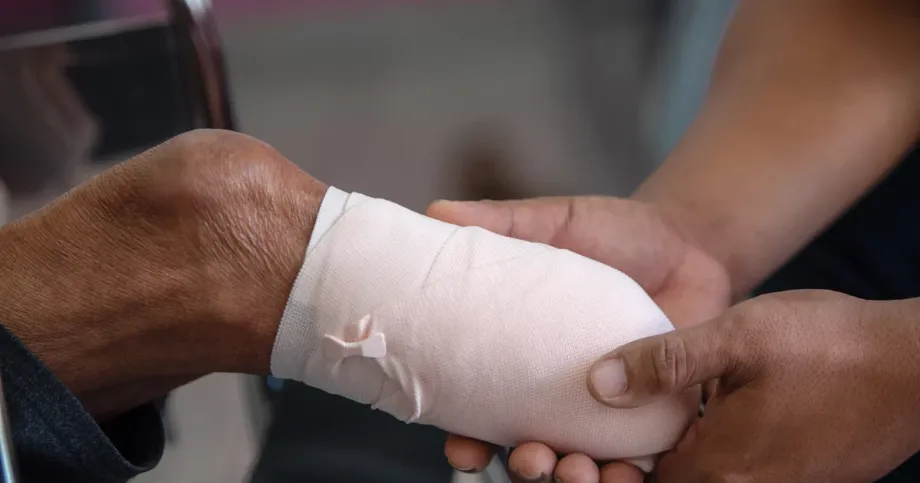
When an arm or leg is severely damaged by an injury, infection, or poor circulation, one of the biggest questions is whether the limb can be saved or if amputation is the safest option. Both limb salvage and amputation can be appropriate treatments, depending on the extent of the damage, overall health, and likelihood of recovery.
Limb salvage, also called limb preservation, focuses on repairing and maintaining an affected arm or leg. Amputation involves surgically removing part or all of a limb when preserving it is not possible or would create greater health risks.
Deciding between limb salvage vs. amputation is not always straightforward. Keeping a limb does not necessarily mean it will regain useful function, and amputation does not mean someone cannot return to an active, independent life. Understanding the differences, potential benefits, and recovery process can help you have a more informed conversation with your healthcare team.
What Is the Difference Between Limb Salvage and Amputation?
The primary difference between limb salvage and amputation is whether treatment focuses on preserving the affected limb or surgically removing damaged tissue and part or all of the limb.
Limb salvage involves medical and surgical treatments designed to preserve an injured or diseased limb. Depending on the condition, this may involve repairing blood vessels, removing damaged tissue, treating infection, stabilizing bones, or reconstructing skin and muscle.
Amputation is a surgical procedure that removes part or all of an affected limb. It may be necessary when extensive tissue damage, severe infection, or poor circulation makes limb preservation unsafe or unlikely to restore useful function.
Neither option is automatically better. The goal is to determine which approach offers the safest outcome and the best opportunity for long-term mobility, comfort, and quality of life.
What Factors Determine Whether a Limb Can Be Saved?
Several factors help surgeons determine whether limb salvage is possible or whether amputation may be necessary. The decision involves more than looking at the visible damage. Providers also evaluate circulation, tissue health, infection, and the potential for functional recovery.
Important considerations include:
- Blood circulation: Adequate blood flow is essential for tissue healing. If circulation is severely restricted, procedures to restore blood flow may be necessary.
- Extent of tissue damage: Surgeons evaluate damage to the bones, muscles, skin, nerves, and blood vessels to determine whether the limb can be reconstructed.
- Infection: Severe infections or gangrene, which involves tissue death, may make amputation necessary to prevent further complications.
- Overall health: Conditions such as diabetes and heart disease can affect circulation, wound healing, surgical risks, and recovery.
- Expected function: Providers consider whether a preserved limb will offer useful movement and independence or continue to cause significant pain and complications.
- Personal goals: Work, mobility, daily activities, available support, and rehabilitation expectations all play a role in treatment decisions.
There is no single test or injury score that can determine the right choice for every patient. A thorough evaluation helps the care team understand the potential risks and benefits of each approach.
When Is Limb Salvage Recommended?
Limb salvage may be recommended when an injured or diseased limb has a reasonable chance of healing and regaining useful function.
For example, someone with a severe fracture and surrounding tissue damage may be a candidate for reconstructive surgery. A person with a diabetic foot wound may also be considered for limb preservation if circulation can be improved, infection controlled, and pressure on the affected area reduced.
Limb salvage often involves multiple procedures and ongoing treatment rather than a single surgery. The goal is to preserve the limb while addressing the underlying damage that prevents it from healing.
However, preserving the limb does not guarantee a full return to normal function. Some patients continue to experience stiffness, weakness, chronic pain, or difficulty with movement after treatment.
When Is Amputation Necessary?
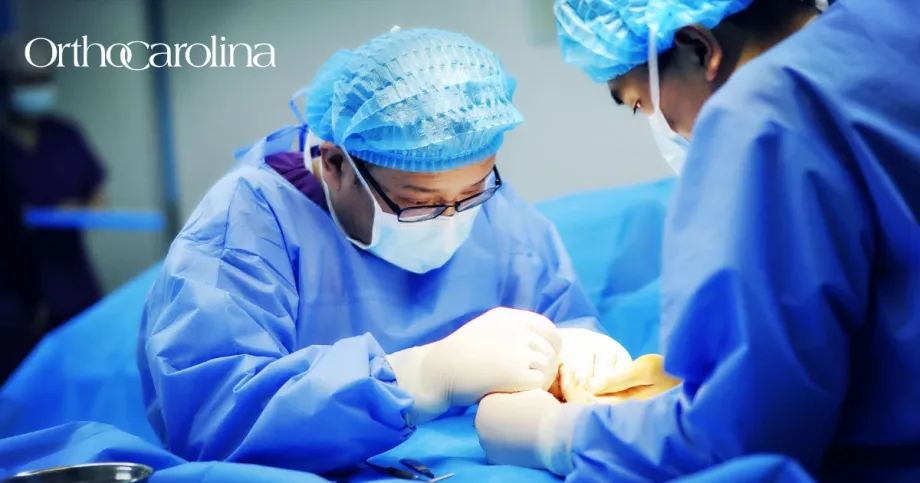
Amputation may be recommended when preserving the limb would put a person's health or life at risk, or when reconstruction is unlikely to provide meaningful function.
Some situations that may require amputation include:
- Severe injuries that destroy too much muscle, bone, skin, or other tissue to reconstruct effectively.
- Critical loss of blood circulation that cannot be restored.
- Advanced infection or gangrene that continues to spread.
- Persistent pain, repeated infections, or poor limb function despite previous treatments.
In some cases, amputation is an emergency procedure, particularly when a severe infection or extensive tissue damage threatens a person's life. In other situations, it may be considered after multiple attempts at limb preservation have not produced the expected results.
The timing of treatment also matters. A sudden loss of circulation requires prompt medical attention, but there is no universal time cutoff that automatically means a limb must be amputated. The extent of damage and the possibility of restoring blood flow must be evaluated together.
What Does Limb Salvage Surgery and Treatment Involve?
Limb salvage treatment varies based on the underlying injury or condition. It may involve several procedures performed over time to restore circulation, remove damaged tissue, repair structures, and support healing.
Common treatments include:
- Debridement: Surgical removal of dead, damaged, or infected tissue to help the remaining tissue heal.
- Blood flow restoration: Procedures to improve circulation when blocked or damaged blood vessels prevent adequate blood supply.
- Bone stabilization: Surgical techniques and hardware may be used to repair fractures and provide stability during healing.
- Tissue reconstruction: Skin grafts or other reconstructive procedures may help cover wounds and protect underlying structures.
- Rehabilitation: Physical therapy and other rehabilitation services help address strength, movement, and everyday function.
Limb salvage may require multiple surgeries, wound care appointments, and an extended rehabilitation period. The treatment plan should outline what procedures are needed, what successful healing looks like, and what circumstances might change the approach.
Limb Salvage vs. Amputation: Which Offers a Better Quality of Life?
There is no universal answer to whether limb salvage or amputation provides a better quality of life. Outcomes depend on the original injury or condition, the success of treatment, rehabilitation, and individual needs.
A salvaged limb may preserve natural anatomy, but it can still involve ongoing pain, limited movement, repeated procedures, or additional complications. Amputation can remove severely damaged or infected tissue, but recovery may involve significant rehabilitation, prosthetic training, and adjustments to everyday activities.
Both approaches can affect mobility, independence, and emotional well-being. Pain can also occur with either option. After amputation, some people experience phantom limb pain, which is discomfort or pain perceived in the part of the limb that has been removed.
When comparing treatment options, consider more than whether the limb can be preserved. Ask what level of function is realistically expected, how many procedures may be necessary, and what daily life could look like during and after recovery.
Questions to Ask Your Healthcare Provider
If you are facing a decision about limb salvage or amputation, having an open conversation with your care team can help you understand your options.
Consider asking:
- Is limb preservation a realistic option in my situation?
- What level of movement and function could I expect with each approach?
- How many surgeries or procedures might be necessary?
- What are the risks of infection or other complications?
- How long could recovery and rehabilitation take?
- Would I potentially be a candidate for a prosthetic limb?
- What would happen if limb salvage treatment is unsuccessful?
You should also discuss how each option could affect your ability to work, participate in activities, and manage everyday responsibilities.
Find the Right Orthopedic Care for Your Needs
Facing a serious limb injury or condition can bring difficult decisions about treatment, recovery, and long-term mobility. Understanding the potential benefits and limitations of limb salvage and amputation is an important part of determining the right path forward.
At OrthoCarolina, our orthopedic specialists provide comprehensive care for a wide range of musculoskeletal conditions and injuries. Getting evaluated can help you better understand your condition and the treatment options available.
Have questions about an orthopedic injury or condition? Book an appointment with OrthoCarolina online in seconds.
Frequently Asked Questions
Can a severely injured limb always be saved?
No. Some injuries cause extensive damage to bones, muscles, nerves, or blood vessels that makes reconstruction difficult or unsafe. A surgeon evaluates the extent of the damage, circulation, infection risk, and potential for useful function before recommending treatment.
Is limb salvage better than amputation?
Not necessarily. Limb salvage may preserve natural anatomy, but it can involve multiple surgeries and ongoing complications. Amputation may offer a safer or more functional outcome in certain situations. The best approach depends on individual health, injury severity, and recovery goals.
How long does it take to recover from limb salvage or amputation?
Recovery varies significantly. Limb salvage may involve multiple procedures and months of healing and rehabilitation. Amputation recovery also includes surgical healing, strength training, mobility work, and potentially prosthetic fitting. Your healthcare team can provide a more realistic timeline based on your condition and treatment plan.
Back