


A child’s hands play an important role in how they learn, play, explore, and become independent. From holding a pencil and getting dressed to climbing on the playground and participating in everyday activities, hand function impacts many parts of childhood development.
For children born with a congenital hand difference or those who experience a hand injury, early evaluation and treatment can make a meaningful difference. Addressing concerns sooner gives orthopedic specialists the opportunity to understand the condition, support healthy development, and create a personalized plan focused on preserving or improving hand function.
Early treatment can help children develop better movement, strength, coordination, and confidence while reducing the risk of future challenges.
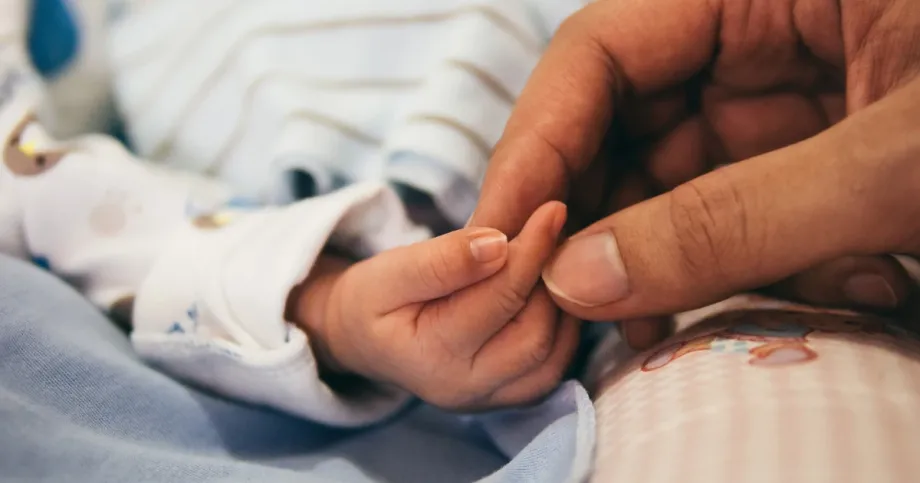
Why Early Evaluation Matters for Children’s Hand Function
Children’s bodies change rapidly as they grow, and the early years are an important time for developing movement patterns and motor skills. When a child has a condition affecting their hand, wrist, or fingers, waiting too long for an evaluation may allow challenges to become more difficult to address.
Early orthopedic care allows specialists to:
- Understand how a hand condition may affect growth and development
- Monitor changes as a child grows
- Recommend treatment options based on the child’s specific needs
- Support better function during important developmental milestones
Every child’s situation is different. Some children may need ongoing monitoring, while others may benefit from surgical or non-surgical treatment options. The goal is always to help children achieve the best possible function while supporting their overall quality of life.
Common Hand Conditions That May Affect Children
Children may experience hand function challenges for many different reasons. Some are present at birth, while others develop because of injuries or other medical conditions.
Common pediatric hand concerns include:
- Congenital hand differences: Conditions that affect how the hand, fingers, or thumb develop before birth
- Missing or extra fingers: Differences that may impact movement, grip, or appearance
- Finger or thumb abnormalities: Conditions that affect range of motion or coordination
- Hand injuries: Trauma that may impact growing bones, joints, tendons, or soft tissues
Signs that a child may benefit from an orthopedic hand evaluation can include difficulty using one hand compared with the other, limited movement, trouble gripping objects, or challenges completing age-appropriate activities.
How Early Treatment Supports Better Hand Function
Early treatment is not about rushing into a specific procedure. It is about understanding the child’s needs and determining the right approach at the right time.
A pediatric hand specialist evaluates factors such as:
- The child’s age and stage of development
- The type and severity of the condition
- How the condition affects daily activities
- Future growth considerations
Depending on the diagnosis, treatment may include observation, supportive care, or surgical options designed to improve function and mobility.
For some children, addressing a concern early can help improve how they use their hand as they grow. It can also help prevent children from developing movement patterns that may limit function over time.
The Importance of Personalized Pediatric Hand Care
No two children are exactly alike, which means treatment plans should not be one-size-fits-all.
A pediatric hand specialist focuses on the unique needs of each child, considering both their current abilities and future development. The goal is to create a plan that helps children participate in everyday activities and feel confident using their hands.
For families, early evaluation can also provide clarity. Understanding what is happening and what options are available can help parents make informed decisions about their child’s care.
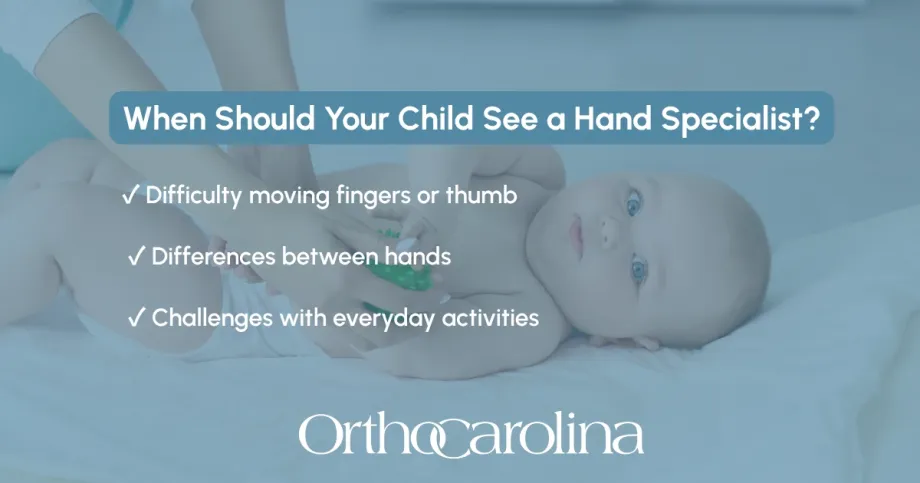
When Should a Child See a Hand Specialist?
Many parents wonder when a hand concern requires a specialist. In general, it is a good idea to seek an evaluation if you notice:
- A difference in the appearance of your child’s hands or fingers
- Difficulty moving a finger, thumb, wrist, or hand
- A noticeable difference in strength or coordination between hands
- Challenges using the hand during everyday activities
- A hand injury that affects movement or function
Even if treatment is not immediately needed, an evaluation can help families understand what to expect and whether monitoring may be recommended as the child grows.
Helping Children Build Confidence Through Better Hand Function
A child’s hands help them interact with the world around them. Early orthopedic care can provide families with answers, guidance, and a plan focused on supporting long-term function.
The sooner a child’s condition is understood, the sooner families can explore options that may help their child reach important developmental milestones with greater independence and confidence.
Schedule a Pediatric Hand Evaluation at OrthoCarolina
If you have concerns about your child’s hand development, movement, or function, the pediatric hand specialists at OrthoCarolina can help evaluate their condition and recommend the right next steps.
Getting started is simple. Families can contact OrthoCarolina’s Congenital Hand Clinic team to schedule a consultation and discuss their child’s needs. For other orthopedic concerns, OrthoCarolina’s simple online scheduling experience makes it easier than ever to find an appointment and book care in just a few clicks.
Contact the Congenital Hand Clinic today to schedule your child’s evaluation and take the first step toward supporting healthy hand function.
Frequently Asked Questions
What age should a child see a hand specialist?
Children can be evaluated by a pediatric hand specialist at any age, especially if they have a congenital hand difference, difficulty using their hand, or concerns affecting movement and development. Early evaluation helps families understand their options and determine the appropriate next steps.
Can early treatment improve hand function in children?
Yes. Early treatment can help support improved movement, coordination, and function by addressing concerns during important stages of growth and development. The right approach depends on each child’s specific condition and needs.
What conditions do pediatric hand specialists treat?
Pediatric hand specialists treat a wide range of conditions, including congenital hand differences, finger and thumb abnormalities, hand injuries, and other conditions affecting hand development and function.
Back